Kategoria: 3-30-300 Nature Recommendation

Kohden lähiluontoa – Ti på topp ja lähiLUMO

Kohden lähiluontoa – Ti på topp ja lähiLUMO

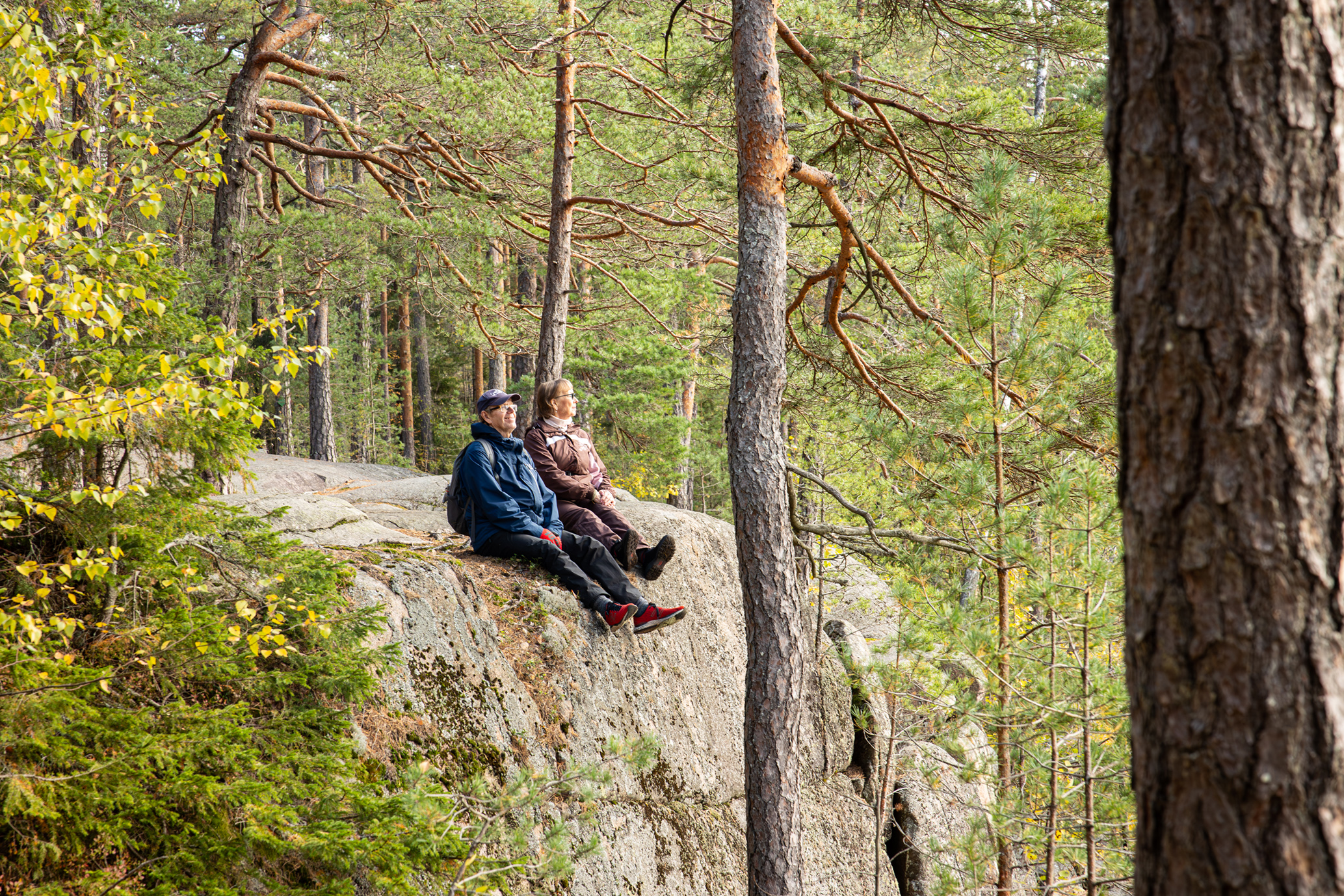
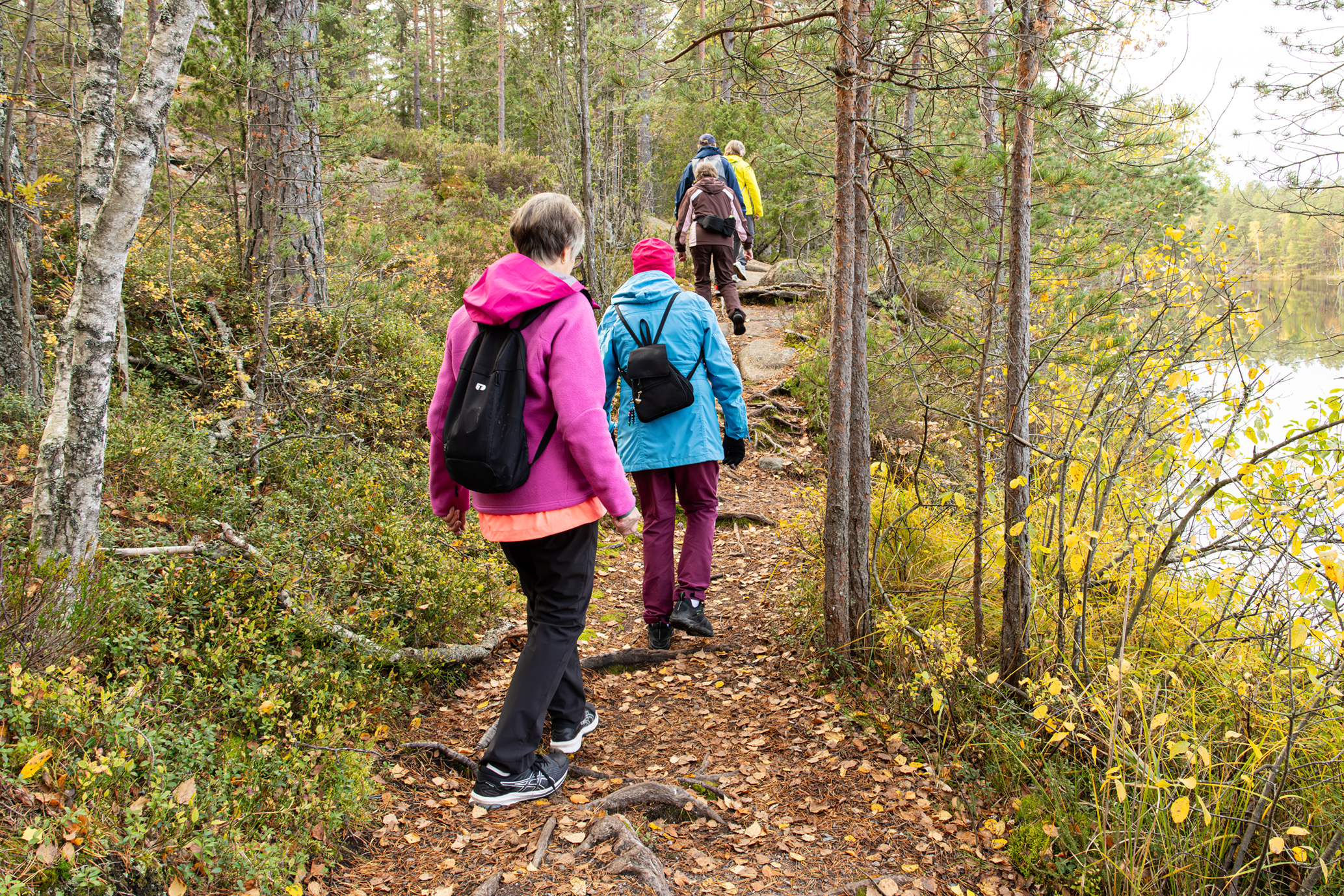
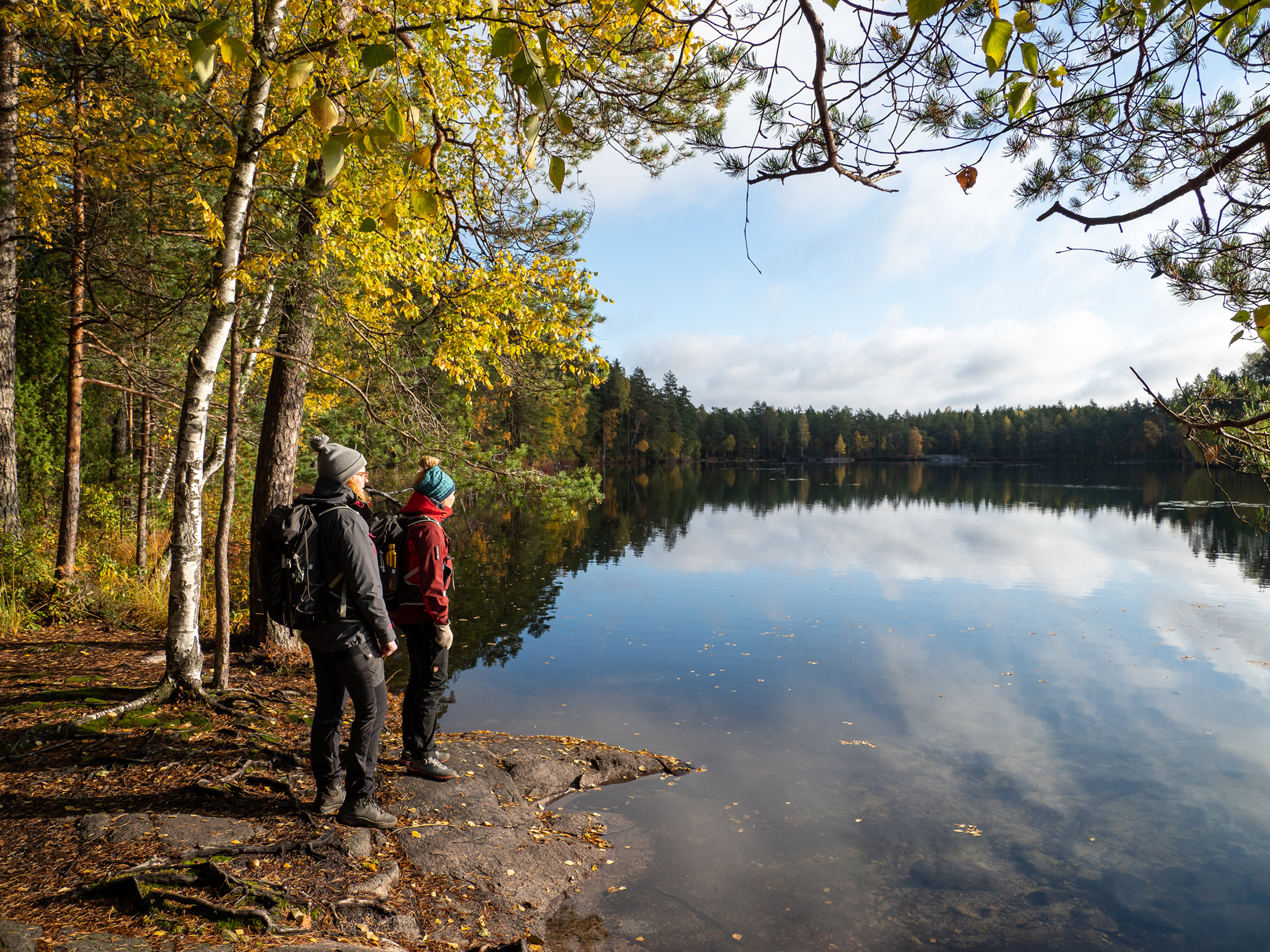
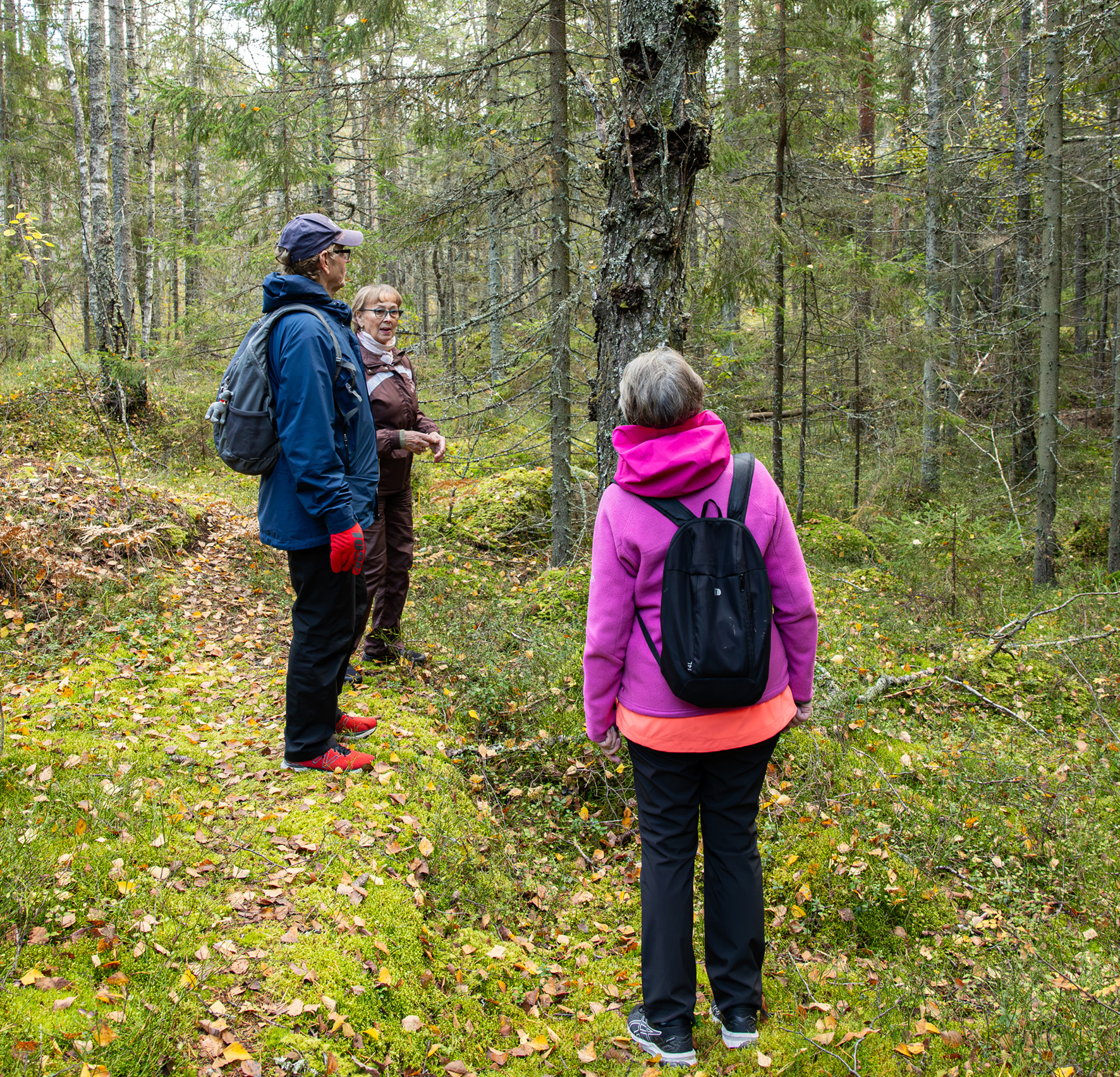
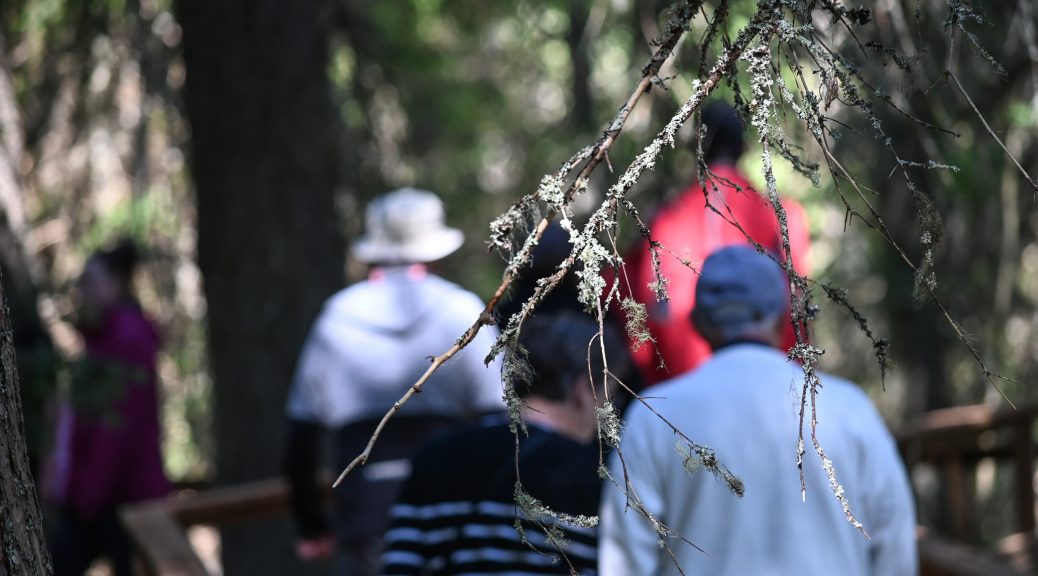
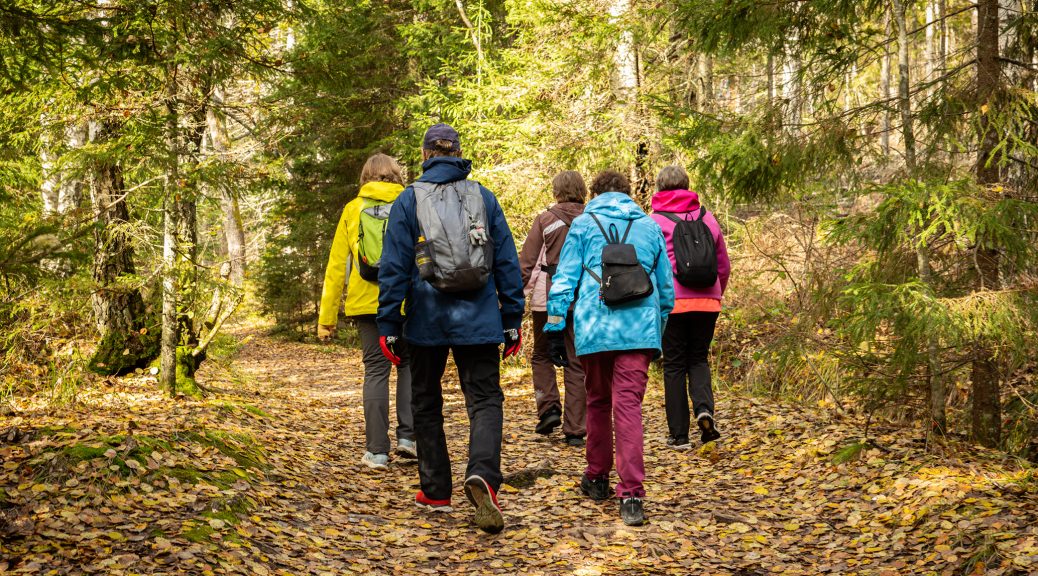
Norjalaisia innostetaan luontoon liikkumaan Ti på topp -kampanjan avulla. Myös matkailijat pääsevät nauttimaan samoista ulkoilukohteista ja -vinkeistä. Kuvat Janne Laitinen.

Miten saada ihmiset liikkumaan enemmän lähiluonnossa? Norjassa yhtenä keinona on paikallisesti toteutettuja Ti på topp -kampanjoita, joiden myötä kymmenet tuhannet ihmiset ovat lisänneet luonnossa liikkumistaan. Vuonna 2024 Ti på topp -sovellukseen kirjattiinkin 377 000 patikointiretkeä. Kampanjan idea on yksinkertainen – rohkaistaan ihmisiä löytämään liikkumisen ilo ja kokemaan lähiluonto yhdessä toisten kanssa. Kävin työmatkalla Bodøssa tutustumassa tähän sovellukseen ja alueen luontoretkeilymahdollisuuksiin. 

Monimuotoinen lähiluonto kutsuu liikkumaan ja oppimaan ympäri vuoden

Ti på topp -toimintatapa on selkeä: valitse kohde, lähde liikkeelle ja kerää luontokokemuksia. Kun astut ulos ovesta ja suuntaat luontoon, niin jokainen askel on mahdollisuus nähdä, kokea, oppia ja lisätä hyvinvointia – monimuotoinen lähiluonto houkuttelee kulkijaa pysähtymään, ihailemaan maisemia ja hengittämään syvään. Luonnossa oleskelu innostaa meitä liikkumaan, haastaa havainnoimaan sekä opettaa arvostamaan luonnon aineettomia kulttuuripalveluita. 

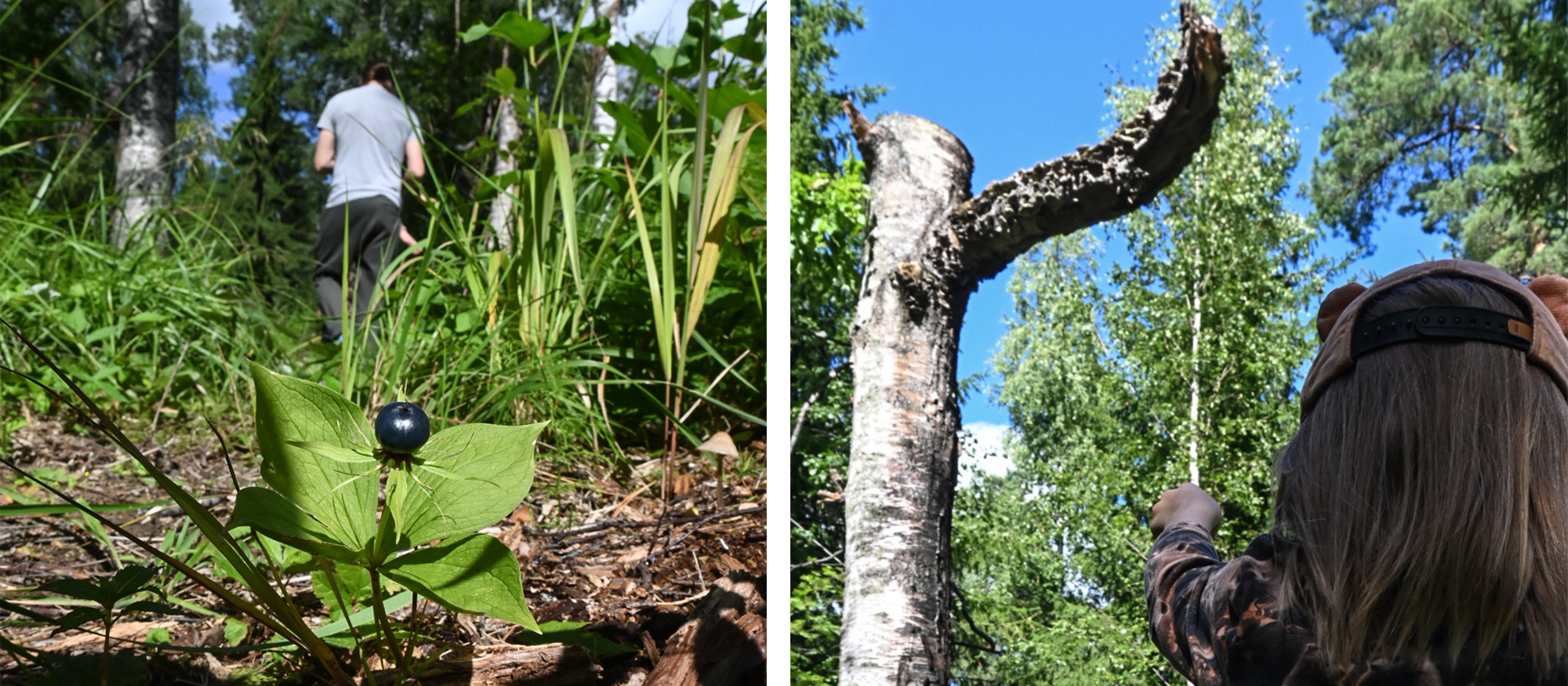
Kehtokuusi – lahoava kuusenrunko – on oiva kasvualusta muun muassa uusille kuusen taimille.

Lähiluonto ei ole kuitenkaan vain näiden aineettomien ekosysteemipalveluiden tuottaja, vaan myös kulttuurinen voimavara. Se tarjoaa mahdollisuuksia hiljaisuuteen ja rauhaan, jotka tukevat ihmisen hyvinvointia, maisemiin ja tarinoihin, jotka vahvistavat paikallisidentiteettiä, sekä vuodenaikojen vaihteluun, joka tekee jokaisesta retkestä ainutlaatuisen. Kun luonnon monimuotoisuus vahvistuu, nämä luonnon kulttuuripalvelut rikastuvat entisestään. Syksyn monivärinen ruska ja talven hiljainen metsä ja keväiset lintukonsertot ovat elämyksiä, jotka syntyvät luonnon monimuotoisuuden mahdollistamana.

Yhteinen kutsu – liiku, havainnoi, arvosta

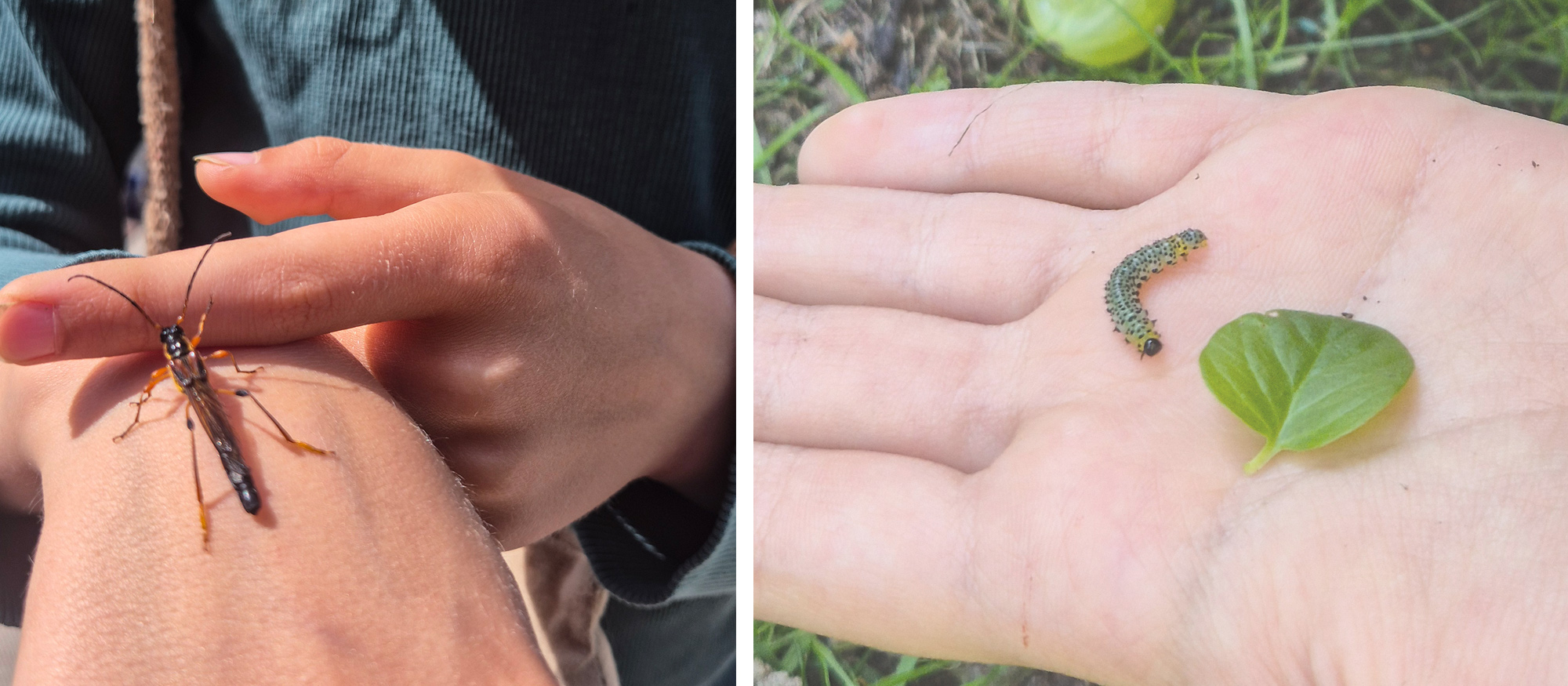
Tässä piilee myös keskisuomalaisen lähiLUMO-hankkeen idea luonnon monimuotoisuuden ymmärtämiseksi – luonto itsessään herättää kulkijan uteliaisuuden. Kun kuljemme luonnossa ja havainnoimme kaikessa rauhassa, huomaamme mielenkiintoisia yksityiskohtia, tunnistamme kasveja ja huomaamme esimerkiksi, miten lahopuu toimii monimuotoisen ja -lajisen elämän lähteenä. 

Sovellukset voivat auttaa ensimmäisten luontoaskelten ottamisessa, mutta myös tuoda iloa ja ymmärrystä kokeneemmalle liikkujalle.

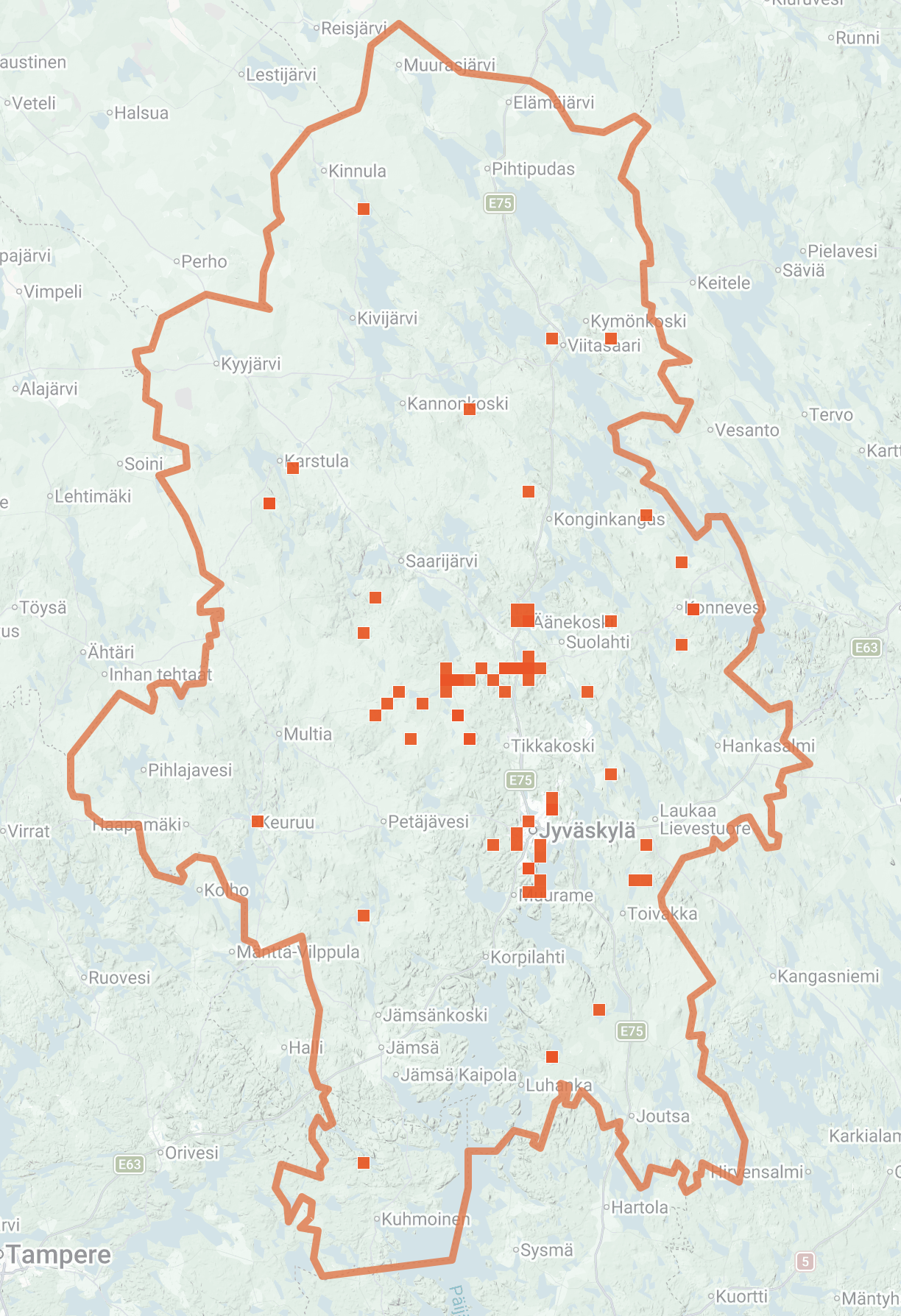
Ti på topp ja lähiLUMO kutsuvatkin kaikki osallistumaan: lähde liikkeelle, tutustu oman alueesi luontokohteisiin ja opi tunnistamaan oman elinympäristösi lajeja. Suomessa kohdeoppaana toimii Metsähallituksen uudistettu Luontoon -sovellus, ja jokainen voi tutustua myös lajintunnistussovelluksiin. Multialla lähiLUMO-retkellä kokeiltiin SEEK-sovelluksen ja Google Lensin toimivuutta. Paikkatietoon perustuvat SEEK oli selvästi ”viisaampi” lajintunnistuksessa. Kannattaa tutustua myös iNaturalist-sovellukseen.

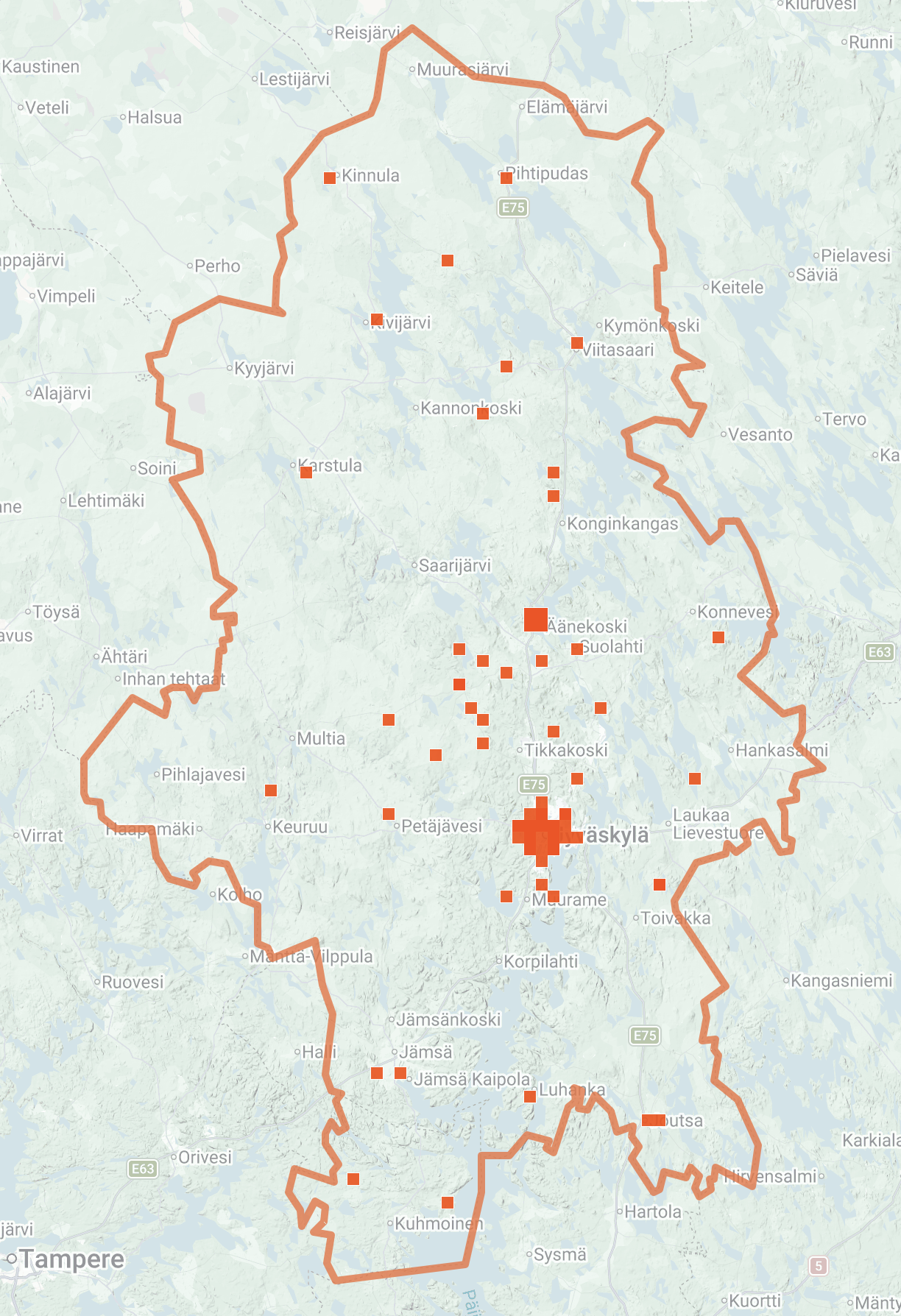
LähiLUMO-hanke järjestää Keski-Suomen kunnissa yhteisöllisiä luontotapahtumia. Kivijärvellä toteutimme kukkaniityn perustustöitä yhteistyössä kuntalaisten kanssa. Monimuotoisen luonnon edistäminen edistää myös yhteisöllisyyttä. Ja samalla asukkaiden arvostus lähiluontoa kohtaan kasvaa. 

Kohden luontopositiivista Keski-Suomea!

Ti på topp, lähiLUMO ja Meijän polku jakavat kaikki saman filosofian – luonto ja luonnossa liikkuminen kuuluu kaikille. Monimuotoinen luonto on elinehtomme ja aktiivinen luonnossa liikkuminen on paras investointi omaan hyvinvointiimme. Yhdistämällä nämä ajatukset voimme luoda polkuja myös luontopositiivisen Keski-Suomeen, jossa luonto yhdistää meitä ihmisiä, tuo iloa ja terveyttä arkeemme ja innostaa meitä liikkumaan!

Janne Laitinen
Biologi, LähiLUMO-hanke (Jamk), Meijän polku


Tutustukaa myös 3–30–300 -luontosuositukseen alueellisen luonnossa liikkumisen innostamiseksi.

Rakastunut rönsyilyyn

Rakastunut rönsyilyyn

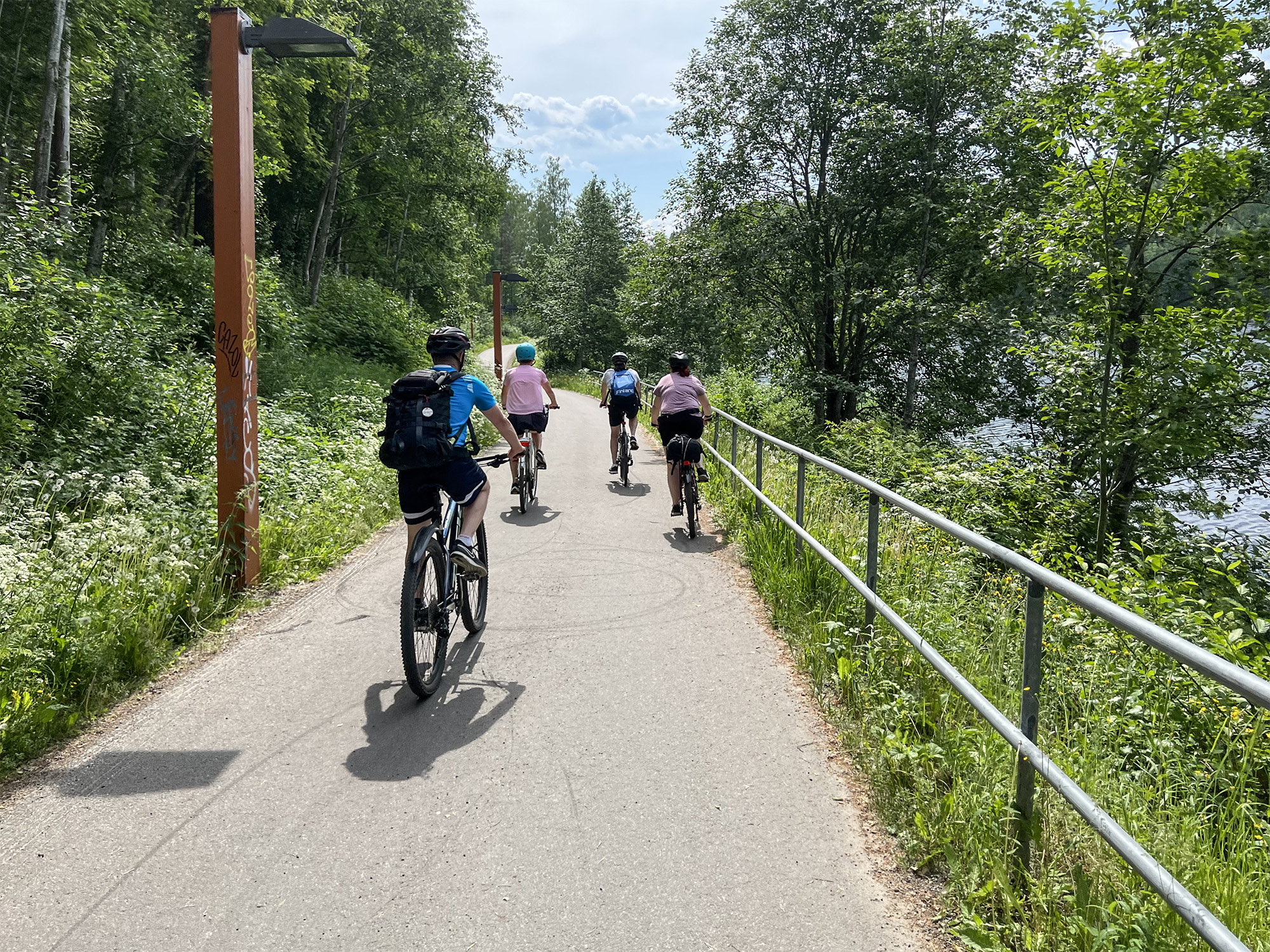
Se oli rakkautta ensisilmäyksellä! Rakastan sanoja, joissa on paljon yytä, äätä ja öötä. #työmatkarönsyily oli heti minun sanani. Salamarakastuin myös siihen, että aloin työmatkoja pyöräillessäni ajella vähän mutkien kautta. Työtehtäviä minulla on välillä ympäri kaupunkia ja yleensä kuljenkin aina pyörällä. Välillä rönsyilen vain yhden risteyksen verran, toisinaan taas pyöräni vie minut täysin eri suuntaan, missä määränpääni on. Kilometrit rullaavat ja kaikenlaista nähtävää tulee silmieni eteen. Kotikaupunki näyttäytyy aivan uudella tavalla.

Kesäisin voin valita menopelikseni joko jommankumman sähköpyöristäni tai esikoisen vanhan, punaisen perintöpyörän. Talvisin rönsyilen vanhalla vaihteettomalla, nastarenkain varustetulla violetilla, eläkeikää lähestyvällä pyörälläni.

Tavalliselta reitiltä poikkeaminen antaa paljon elämyksiä. Ensimmäisenä haluan mainita lähiluonnon. Hyvän sään aikana tekee mieli silloin tällöin poiketa esimerkiksi Haukanniemen luontopolulle, Lumopolulle, Ladun Majalle, Tourujoelle, Korkeakoskelle tai Mäyrämäen alppiruusupuistoon. Keväisin rönsyilen lintutorneille tai etsimään vakiopaikoista ensimmäisiä leskenlehtiä. Yliopiston alueella pääsee rönsyillen näkemään kasvitieteellisen puutarhan vuoden kulkua ja Ruusupuistossa eri ruusulajien kukintaa keväästä pitkälle syksyyn. Kehä vihreän varrelta keskustan lähiluonto esittäytyy monipuolisena, voi poiketa esimerkiksi Harjulla tai satamassa. Lähiluonnosta on rönsyillen helppo päästä nauttimaan vaikka pieninä annoksina työpisteitä vaihtaessa tai kotimatkalla. Jos rönsyni yltävät pidemmälle, voin käydä kiertämässä Jyväsjärven, Tuomiojärven tai Palokkajärven. Mukavia työmatkarönsyilyreittejä riittää.

En osaa nimetä yhtä huippuhetkeä tai kohokohtaa yli muiden, mutta maalaus, veistos, maamerkki ja omena kerrallaan kotikaupunki on muuttunut tutummaksi.

Toisinaan mietin jo valmiiksi, miten voin päiväni aikana rönsyillä. Nappaan pyöräkoriini eväät, joogamaton tai luistimet ja valitsen reittini työpaikalta niin, että voin jatkaa harrastuksiini suoraa töistä rönsyillen. Eikä harrastuksen jälkeenkään toki tarvitse valita suorinta tietä tai lyhintä reittiä, vaan matkalla voi koukata katsomaan vaikka muraaleja, graffiteja tai veistoksia. Kaupunki on taidetta täynnä. Niihinkin on tullut kiinnitettyä enemmän huomiota ja uusia kohteita tulee pyöräiltyä katsomaan aina ihan tuoreeltaan.

Hyvin mielelläni sovin myös tapaamisia niin, että voin töiden jälkeen rönsyillä kotikaupungin lukuisiin, mukaviin kahviloihin, jäähallille tai pesäpallostadionille. Moni peli olisi jäänyt näkemättä ilman työmatkarönsyilyä. Myös joku kaupungin kirjastoista, kirppareista tai keskustan kirjakauppa osuvat usein reitilleni. Eli paljon arjen elämyksiä.

En osaa nimetä yhtä huippuhetkeä tai kohokohtaa yli muiden, mutta maalaus, veistos, maamerkki ja omena kerrallaan kotikaupunki on muuttunut tutummaksi. Ja jatkaa muuttumista, sillä työmatkarönsyilyni jatkuu. Suosittelen ihan jokaiselle. Tämä on kivaa. Tällä hetkellä taidan olla työmatkarönsyilyn Suomen mestari, sillä olen luultavasti ahkerin rönsyilijä. Ja ehkä myös maailmanmestari, sillä ei tätä ehkä muualla maailmassa harrasteta. Vielä.

Riitta H-K
Työmatkarönsyilyn epävirallinen maailmanmerstari


Rakastunut rönsyilyyn -blogi on osa vuoden 2025 Reitistöviikon blogisarjaa.

Hirvaan kierroksen vaellushaaste

Hirvaan kierroksen vaellushaaste

Hirvaan kierros on vajaa 60 kilometriä pitkä vaellusreitti, joka kulkee osin Salamajärven kansallispuiston alueella, osin kansallispuiston ulkopuolella. Reitti tarjoaa metsäpeuran asuttamia erämaamaisemia, joissa yhdistyvät suot, metsät ja vesistöt. Reitin varrella on useita tauko- ja tulentekopaikkoja, autio- ja vuokratupia sekä Heikinjärvennevan luontotorni, josta voi keväisin seurata muuttolintujen elämää.

Vuodesta 2019 lähtien olemme vaeltaneet Hirvaan kierroksen joka kevät. Viime vuonna vaelsimme tutuksi tulleella reitillä myös syys- ja marraskuussa. Tällöin syntyi idea Hirvaan kierroksen vaeltamisesta joka kuukausi vuonna 2025.

Vaellushaasteesta päättäessämme emme voineet edes olla varmoja, että talvikuukausien vaellukset onnistuvat. Ei voitu tietää esimerkiksi lumitilannetta etukäteen, mutta nyt takana on kuitenkin jo seitsemän onnistunutta vaellusta. Talvikuukausina hiihtovaelsimme ahkioita vetäen, ja kesäkuukausina olemme valtaneet rinkkojen kanssa. Talvella varasimme jokaista vaellusta varten viisi päivää aikaa, mutta joka kerta olemme onnistuneet kiertämään reitin 3-4 päivässä.

Hienointa on ollut seurata vuodenaikojen vaihtumista, nähdä talven sulavan kevääksi, ja kevään puhkeavan yltäkylläiseksi kesäksi. Myös eläinten lumijälkien seuraaminen, maaliskuisella yötaivaalla tanssivat revontulet, värikkäät auringonlaskut ja yllättävät kohtaamiset luonnonvaraisten eläinten kanssa ovat sykähdyttäneet. Metsäpeuraa, Salamajärven kansallispuiston tunnuseläintä, emme ole tänä vuonna vielä kohdanneet, mutta jätöksiä on poluilla näkynyt. Yksi hienoimmista kokemuksista on ollut aamukahvihetki, jolloin lapinpöllö yllättäen lensi ääneti ohitse.

Reitistöviikolla Salamajärven kansallispuistoon!

Syyskuun vaelluksen ajoitamme luonnollisesti Reitistöviikolle 15.-21.9.2025.

Samalla haluamme haastaa sinutkin vaeltamaan Hirvaan kierroksen Reitistöviikolla. Vaihtoehtoisesti voit valita Salamajärven kansallispuistosta lyhyemmänkin vaellusreitin, esimerkiksi Vaatimen kierroksen (17 km), tai Pahapuron lenkin (6 km). Alueelta löytyy myös esteetön reitti. Tervetuloa Keski-Suomen ja Keski-Pohjanmaan upeisiin maisemiin ja luontoreitistöille!

Reitistöviikon aikaan pääsee nauttimaan myös aidosta pimeydestä ja ihmiselle luonnollisesta vuorokausirytmistä.

Jaa vaellustunnelmiasi someen tunnisteilla #reitistöviikko #trailweek #finland #vaellushaaste

Sanna Eskelinen ja Hanna Junkala
Kaksi keskisuomalaista luonnossa liikkujaa, jotka retkeilevät ja vaeltavat ympäri vuoden..
Kuvat ovat kirjoittajien ottamia Hirvaan kierroksen vaellukselta kuluneen vuoden aikana. Heidän luontoseikkailujaan voi seurata Instagramissa: @hanna_junkala & @eskelinen.sanna


Salamajärven kansallispuisto sijaitsee kahden maakunnan, Keski-Suomen ja Keski-Pohjanmaan alueella. Antakaahan alueenne luonnossaliikkumismahdollisuuksien näkyä! #keskisuomi #keskipohjanmaa

Keski-Suomen hyvinvointialue haastaa kaikki keskisuomalaiset Reitistöviikolle!

Keski-Suomen hyvinvointialue haastaa kaikki keskisuomalaiset Reitistöviikolle!

Kesäkuussa Keski-Suomen liitto haastoi kaikki Suomen maakunnat esittelemään reitistöjään ja luontohelmiään Reitistöviikolle. Tänään haasteet monipuolistuvat, kun Keski-Suomen hyvinvointialue haastaa kaikki keskisuomalaiset lähiluontoon liikkumaan Reitistöviikolla!

Reitistöviikolla hyvinvointialue nostaa Keski-Suomen hyvinvointitarjottimelle ideoita ja vinkkejä luonnossa oleskelun ja liikkumisen lisäämiseen.

– Luonto lisää tutkitusti hyvinvointiamme ja terveyttämme. Siksi haluamme innostaa alueen asukkaita nauttimaan luontoympäristöistämme. Ohjenuoraksi Reitistöviikolle sopiikin vaikkapa uuden Luontosuosituksen ohjeistus – käy kolme kertaa viikon aikana lähiluonnon reitistöillä liikkumassa, kannustaa haasteessa Keski-Suomen hyvinvointyialueen elämäntapaohjauksen koordinaattori  Jani Huotari.

Lähiluonnon reitistöt tarjovat lukemattomia mahdollisuuksia edistää alueen asukkaiden hyvinvointia ja terveyttä. Reitistöviikko tarjoaa mahdollisuuden nostaa tietoisuutta luonnon terveysvaikutuksista sekä innostaa ihmisiä luontoon liikkumaan.

Mossy Mind Syndrome poster updated

Mossy Mind Syndrome poster updated

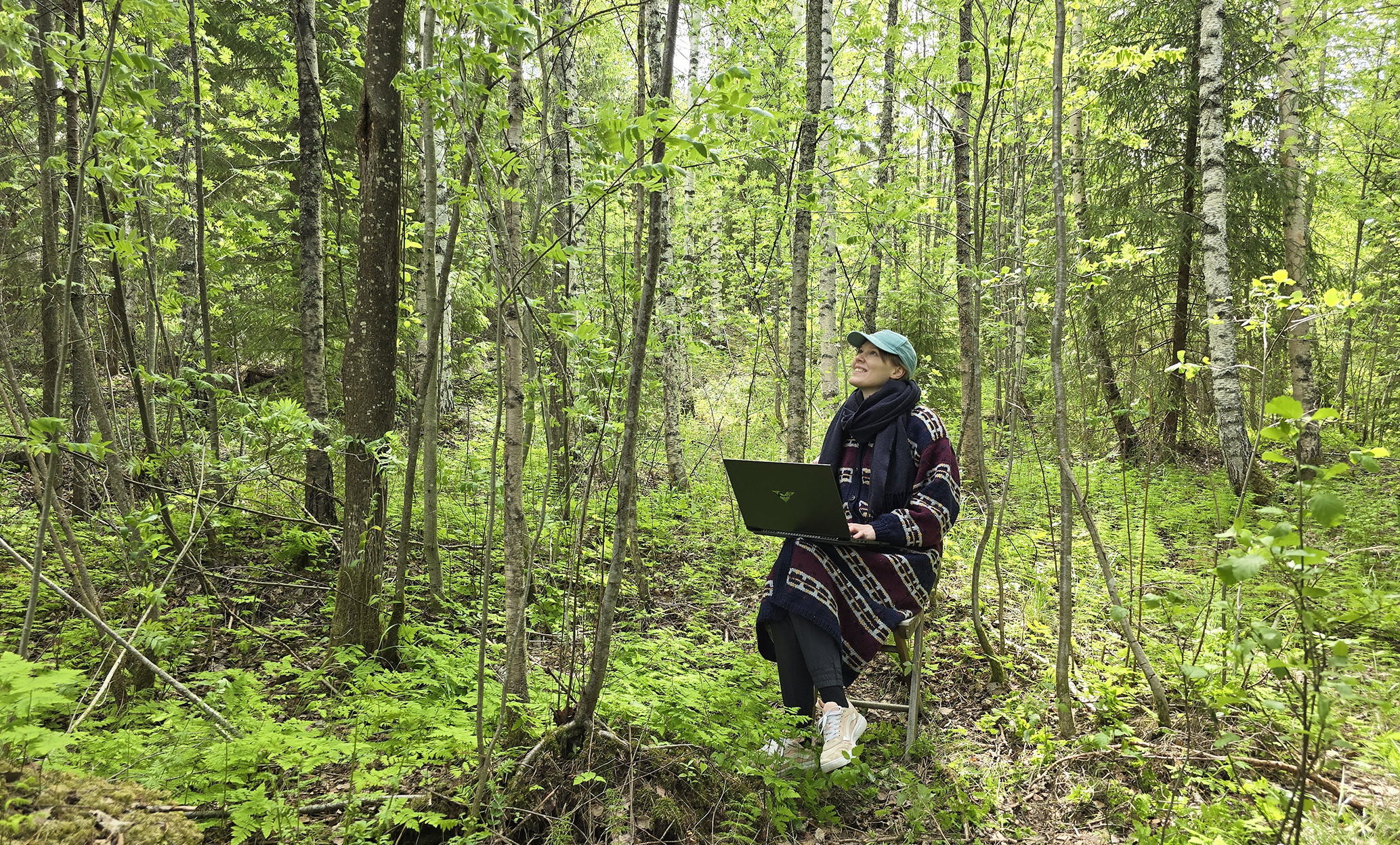
In honor of the International Outdoor Office Day 2025, we are publishing an updated version of the English-language Mossy Mind Syndrome poster. The purpose of the poster is to remind us all of the many well-being and health problems that come with being indoors and sitting still.

For the prevention of the Mossy Mind Syndrome we recommend

  • At least 30 minutes of outdoor activity in natural environments per day (active commuting, walking meetings, telephone meetings and remote meetings on foot)
  • Aim for 300 minutes of contact with nature per week (active commuting, outdoor office, walking meetings, remote meetings outdoors)
  • a two-minute walk, stretching and/or strength training session every 30 minutes throughout the workday.
  • reducing sitting to less than 300 minutes (5 hours) a day.

You can find the printable Mossy Mind Syndrome poster on out page: 
www.meijanpolku.fi/mossy-mind-syndrome-mms

3–30–300 -luontosuositus esittelyssä Europarc Federationin blogissa

3–30–300 -luontosuositus esittelyssä Europarc Federationin blogissa

Uusi 3–30–300 -luontosuositus on esittelyssä Europarc Federationin blogissa. Europarc Federation edustaa satoja eurooppalaisia viranomaistahoja sekä tuhansia suojelualueita 40 maassa. Suomesta toiminnassa mukana on muun muassa Metsähallitus.

Blogissa aiheena onkin kansallispuistojen merkitys kansalaisten luontoaltistuksen sekä luontokokemusten lisäämisessä. Blogissa todetaan lisäksi, että nykyisiä kansallispuistoja tulee laajentaa, uusia luoda ja näiden saavutettavuutta parantaa, jotta luontohyvinvoinnin potentiaali voidaan valjastaa kaikkien käyttöön.

3-30-300 Nature Recommendation

3-30-300 Nature Recommendation

We all need natural environments to feel and be healthy. We need green and blue environments to enable the well-being of our minds and to enable active movement, as well as to maintain the diversity of our body’s health-promoting microbiome. 

The nature recommendation is inspired by the 3–30–300 rule by Cecil Konijnendijk. This model has been widely used in urban planning in recent years. As a nature recommendation, the 3-30-300 model offers an easy-to-remember recipe for moving and spending time in nature:

Every moment spent in natural environments offers us a variety of health and well-being benefits. These benefits are based on repeated and regular contact with nature, so seek out natural environments at least three times a week.
Aim to spend at least 30 minutes at a time in nature. The health benefits of nature begin to accrue after just a few minutes, but they increase and become more diverse as the time spent in nature increases.
Aim to spend a total of 300 minutes in nature each week. You can do yard work, exercise, relax in a hammock, ride a bike, walk on nature trails, observe the wonders of nature or play yard games. The most important thing is to spend time in nature
– in your own way!

Increasing time spent in nature offers ways to promote well-being and health both at the individual level, regionally and nationally. In the 3-30-300 Nature Recommendation, we raise natural environments and time spent in nature as one of the pillars of good health, alongside the more traditional healthy diet, sufficient exercise and adequate sleep. Actually, we go even further, because nature’s biodiversity enables all human well-being; it improves the quality of sleep, inspires us to move more, provides healthy environments that increase well-being and enables the basic conditions of our lives, such as access to oxygen, food and drinking water.


You can download the A3-sized poster (PDF) to your computer and print it, for example, in waiting rooms to remind you of the importance of spending time in nature and being active in promoting well-being and health.

The poster also makes it easier to discuss the topic with different customer groups.

You can download the poster here.


Every moment spent in natural environments offers us various well-being and health benefits. The aim of the 3–30–300 Nature Recommendation is to inspire us to spend time and move in natural environments as often as possible, but at least three times a week. This enables the well-being benefits we get from natural environments, which are based on frequent and regular contact with nature (Tyrväinen, 2023). 

Going out to nature several times a week also enables new positive habits to form and become part of everyday life, as well as enables the accumulation of the amount of active movement recommended in the Physical activity guidelines.

Humans derive wellbeing and health benefits from nature through different mechanisms. The time spent in diverse natural environments and the frequency and recurrence of exposure to nature are important from the perspective of increased wellbeing. This is why the 3-30-300 Nature Recommendation advises people to visit natural environments at least 3 times a week for at least 30 minutes at a time and sets the weekly target of 300 minutes in total
Most people’s contacts with nature in Finland take place in their local environments, or less than 300 metres from home. However, a visit to natural sites further away from home usually lengthens the duration of individual visits and also enables new experiences of nature activities and outdoor exercise.

We Finns are known as a ‘people of nature’. However, our relationship with nature is very dispersed and different, for example, depending on where we live and age group. About four percent of us don’t go out in nature at all, and 700,000 Finns go outside less often than once a week (LVVI3). At the European level, things are even worse in terms of physical activity. Almost half of Europeans do not do any kind of exercise (Special Eurobarometer 525).

Due to urbanization, the use of cars and our changed lifestyles, our contact with diverse nature has decreased significantly. We suffer from Nature-deficit disorder, the effects of which can be seen, for example, in the prevalence of lifestyle diseases, such as heart and circulatory system diseases, type 2 diabetes and some cancers. Increasing the amount of time spent in nature has an ever-increasing importance not only in terms of public health, but also in terms of the national economy. (Tyrväinen et al., 2024)


The costs of immobility and sedentary lifestyles in Finland have been estimated at approximately 3.2–7.5 billion euros per year, and the amount is expected to increase as the population ages and morbidity increases. (Vasankari et al. 2018) The number of people suffering from mental health problems is also growing in Finland, and the costs of work absences and disability pensions alone are estimated to be over 2 billion euros per year. (Kestilä et al. 2025) If we were to multiply the above figures by the population of Europe, for example, we would already be talking about several hundred billion euros per year.

More and more research shows that spending time in nature and being physically active both boost our well-being and health. These benefits start quickly and become even greater the more time we spend outdoors and moving. But how much is ‘more’?

As stated in the 3–30–300 Nature Recommendation, 300 minutes a week would be the optimal goal for the time spent in nature. As the Physical Activity Guideline for adults recommends at least 150 minutes of moderate aerobic activity a week, it also states that for even more health benefits, one should aim for 300 minutes a week.

If we want a better future, one of the best things we can do is spend 300 minutes each week being active in nature. Picture a society with fewer preventable diseases, significantly lower healthcare costs, and people living longer, happier lives—all from adding some outdoor activities in their lives. In addition, when we spend more time outdoors, we improve our connection to nature. This connection is crucially important not only for our well-being but also for the well-being of the planet. 

300 times 3

To help people be physically active in nature for 300 minutes a week, we need to address a few key issues in our communities. First, we should make it easier for people to be active by improving the safety and appeal of walking, cycling, and public transport, and reducing our reliance on cars. Second, we need to add larger green spaces close to homes. And here is where the original 3–30–300 rule by Cecil Konijnendijk comes in: everyone should live within 300 meters of a large public green space. Third, we need to make outdoor activities and active transportation the next ‘big thing’. 

If we can meet these goals across the population, we will have a society where physical and mental health are constantly improving. And at the same time, we are creating habitats where we can all thrive. 


More about 3–30–300 Nature Recommendation in Europarc blog: National parks as promoters of stays and exercise in nature and in Outdoor Office Day blog: 3-30-300 Nature Recommendation


The original Finnish version of the 3-30-300 Nature Recommendation can be found here.


Our Path

Our Path

Meijän polku, “Our Path”, is a 30-year initiative promoting community health and well being. Advocating the well being of the Central Finnish population is focused on four themes: nature, physical activityrest and community. Our Path strives for a more healthy and prosperous Central Finland by encouraging people to spend time, exercise and gain vitality in near-by-nature and forests. Our slogan is move and enjoy yourself in Central Finland. In recent years, Our Path’s activities have expanded to other parts of Finland and beyond our borders too.

According to the WHO data (2018) life expectancy of Finnish males and females is 78.8 and 84.2 respectively, which gives Finland a world ranking of 21. Although not a poor placement, several challenges still exist. Beside the persistence of traditional cardiovascular risk factors (i.e. sedentary lifestyle, obesity and smoking) related to a person’s quality of life, newer risks, such as involuntary loneliness and anxiety, are becoming more prominent. Relaxing and/or exercising regularly (daily or several times a week) in a nearby nature can have a profound effect on both the traditional risk factors and well being. Also, visiting the Central Finland’s national parks and silent nature reserves, is encouraged, serving as a source of most authentic nature experience. However, because of their more remote location they are not plausible for daily visits.

Our Path is based on voluntary involvement of the active members, including professionals from the fields of health care, physical education, educational establishments and national institute of parks&wildlife. Our Path is supported by organizations like Central Finland Health Care District, Central Finland Sport Federation, Jyväskylä University of Applied Science, University of Jyväskylä and LIKES Research Centre for Physical Activity.

Our Path aims on a slow, but long-lasting out-door life oriented behavioral change in the population. Time span is 30 years, beginning from 2017. Operational goals vary with different population segments (active/sedentary, young/old, healthy/people with chronic illnesses) and ongoing trends of society.  From 2020 onwards the health related use of local nature locations and forests is promoted among local population under multiple concepts, such as Keski-Suomen terveysmetsä (Central Finland Health Forests, 2019); Luontotyöpäivä (Outdoor Office Day, 2020); Meijän metsät (Our Forests, 2024); and 3–30–300 -luontosuositus (3–30–300 Nature Recommendation, 2025).

At the same time tools for both municipalities and individual citizens are developed to make physically active lifestyle and nature contacts more accessible for all. Also, for self-acting individuals and groups, different kinds of activity challenges like stair climbing, nature walks, biking and sauna are presented on our website. These challenges have been tailored for all seasons, for all weather conditions and they are free-of charge.


Increasing our time in nature and exercise offers ways to promote well-being and health at an individual, regional and national level. In the 3–30–300 Nature Recommendation we elevate natural environments and the time spent in them as one of the pillars of good health, alongside the more traditional healthy diet, sufficient exercise and sufficient sleep. In fact, we go even further, as diverse nature creates the foundation for all human well-being.

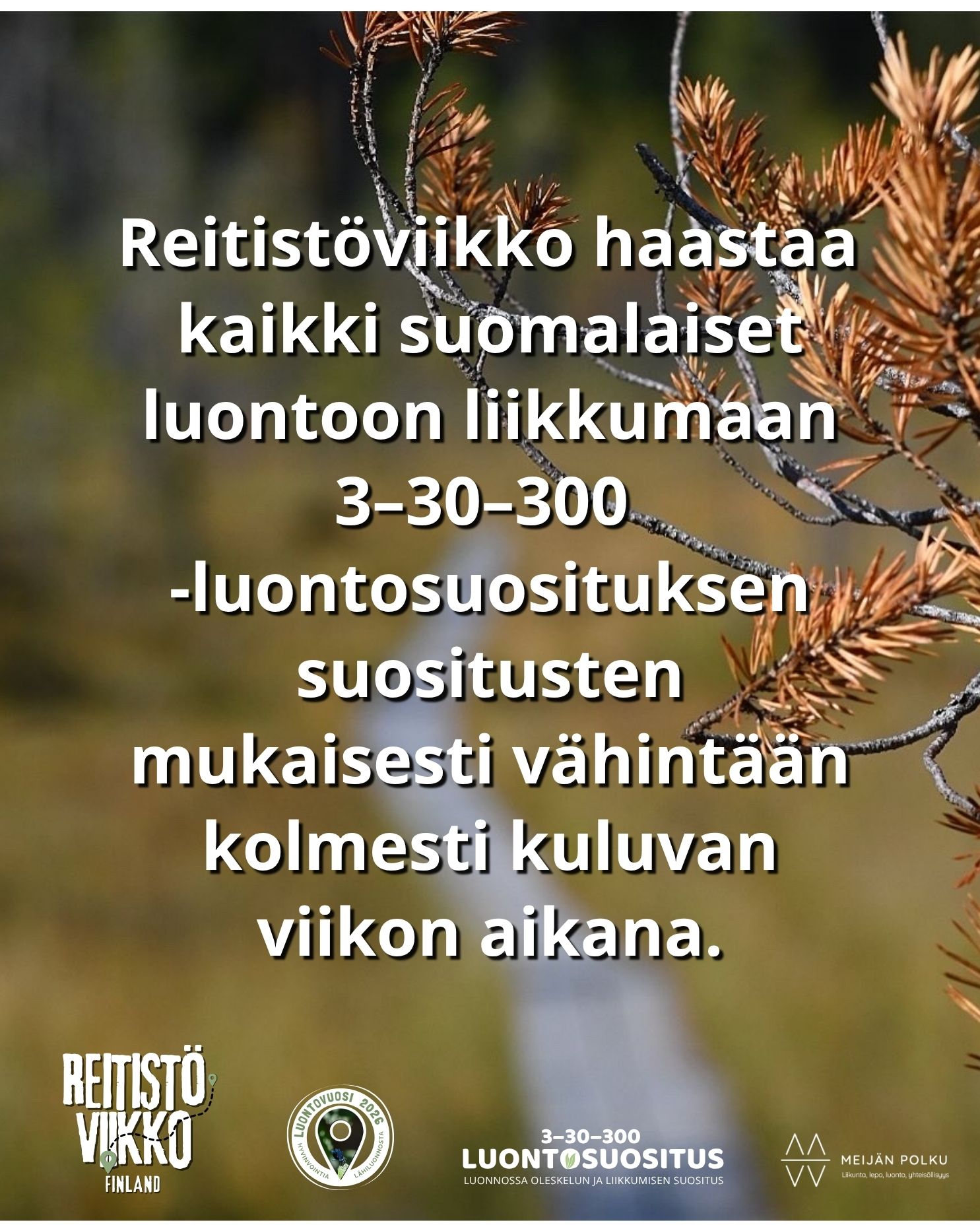
✅ Visit nature at least 3 times a week.
✅ Spend at least 30 minutes in the nature at a time.
✅ Try to spend a total of 300 minutes in nature every week.

The first Trail Week was held on the 16th–22th of September 2020 in Central Finland. The idea of ​​the Trail Week is to activate the usage of nature trails and to raise awareness about the positive health benefits of nature. Since then, the Trail Week has been held every year in the third week of September. In 2025, the Trail Week will expand to all of Finland!

The first Finnish Outdoor Office Day (Luontotyöpäivä) was celebrated in different parts of Finland on Friday, May 21, 2021. The purpose of Outdoor Office Day is to lower the threshold of going out into nature as part of everyday work. And also to bring nature into work if going outside during the work day is not possible.
Since spring 2023, Finnish Outdoor Office Day has been celebrated as a week-long event – Outdoor Office Day Week (Luontotyöpäiväviikko). The Mossy Mind Syndrome (MMS) was created as a part of Finnish Outdoor Office Day. Finnish OOD is part of the international Outdoor Office Day movement.

The local nature with its many possibilities is the Central Finnish health forest. And we all have the right to enjoy our diverse natural environment both physically and psychologically.
In the Meijän metsät (Our Forests) concept, we started to look at the nearby nature as a treasure chest of the area’s well-being, health and vitality. And how we can ensure more and more diverse opportunities for everyone to stay, move and enjoy the nature that surrounds us.

Near-by-nature is the cradle of Finnish exercise and wellbeing. Almost all Finns exercise in the nature around their home, some daily and some less often. Local nature also creates the framework for the most popular forms of exercise, such as walking, Nordic walking, skiing and cycling.

This website has information about local nature and ideas for bringing local nature into people’s everyday lives and, above all, inspiring people to exercise and spend time in local nature every day of the year.

Nature Stops (Luontopysäkit) is a initiative, launched in Jyväskylä, Finland to map and connect the city’s diverse forest trails and nature sites to the local public transportation system, Linkki. Accessing forest trails with a familiar bus system could be one way of lowering the threshold for getting out in urban nature and thereby distribute the health benefits of nature more evenly to the general population. Most of Jyväskylä natural sites are located along local bus routes or less than five hundred meters from these.