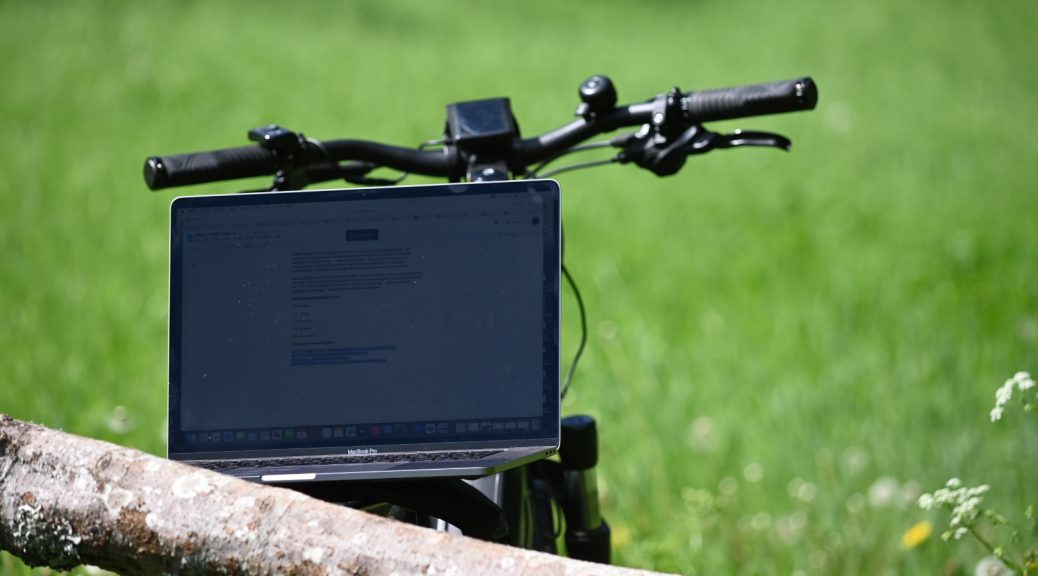
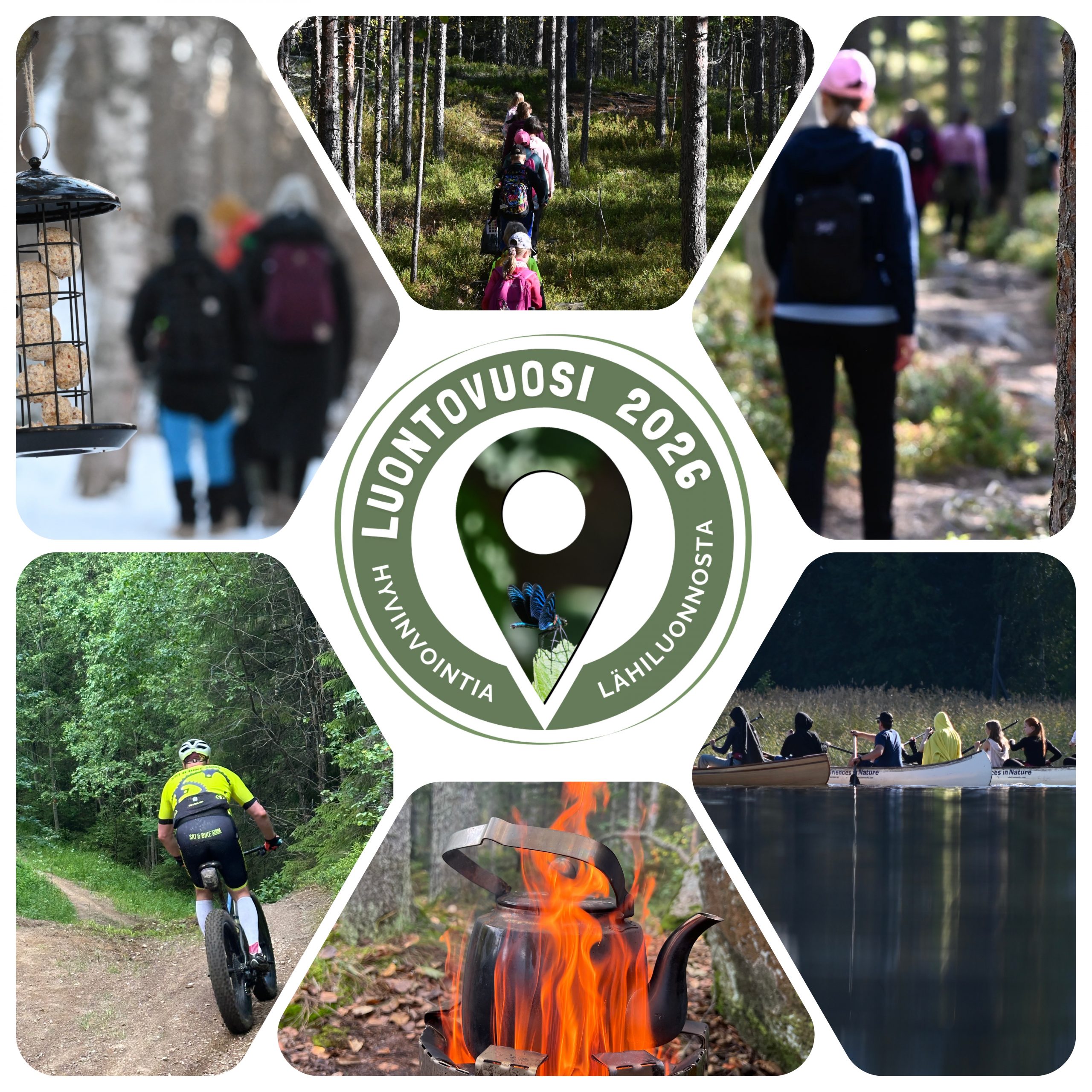
Oivalluksia oppimisympäristöissä -hanke ja Meijän polku ovat koonneet Mappa.fi-palveluun teemarepun kouluille Luontovuoden 2026 kunniaksi. Teemareppu johdattelee näin keväällä lintujen ja pölyttäjien maailmaan, mutta myös lisäämään oppimisympäristöihin näille sopivia elinympäristöjä. Syyskauden käynnistyessä tarkasteluun otetaan puut ja sienet, joidenka kiehtova maailma tarjoaa ihmeteltävää ja oivallettavaa koko syksyksi.
Teemarepun ajatuksena on madaltaa kynnystä luontoympäristöihin siirtymisille sekä luontoteoille kouluympäristöissä.
Asukkaiden hyvinvointi on entistä suoremmin sidoksissa siihen, millaiseksi elinympäristömme rakennamme ja millaista luontoa onnistumme säilyttämään. Luonnon ennallistamisesta puhutaan usein ekologisena velvoitteena, mutta tuoreet tutkimukset osoittavat, että kyse on paljon enemmästä. Ennallistaminen on myös kuntien tehokasta terveyspolitiikkaa ja tulevaisuuden elinvoiman rakentamista.
Pienet teot
On yllättävää, miten paljon positiivista saadaan aikaan pienillä viherryttämistoimilla, kuten tyhjien tonttien muuttamisella lähivihreäksi. Tällaiset toimenpiteet rauhoittavat ympäristöä, vähentävät koettua stressiä ja tekevät taajama-alueista viihtyisämpiä. Myös puiden ja puiden latvojen muodostaman latvuspeitteen merkitys nousee esille tutkimuksissa toistuvasti. Taajamien ja keskusta-alueiden ”kaupunkipuut” eivät ole vain maisemaelementtejä, vaan osa terveydenhuollon “vihreää infrastruktuuria”. Kaupungit, joissa puiden muodostama latvuspeite kasvaa, saavat tutkimuksien mukaan suoria hyötyjä väestön fyysiseen ja psyykkiseen terveyteen. Kun puustoa lisätään ja puiden latvusten varjostavat alueet lisääntyvät, asukkaiden koettu elämäntyytyväisyys paranee, sydän- ja verisuonisairauksien riski pienenee, jopa kuolleisuus vähenee. Nämä ovat harvinaisen selkeitä, tutkitusti mitattavia vaikutuksia, joita yksikään muu suurkaupunkien terveysinvestointi ei tuota näin laajalla skaalalla.
Toinen esimerkki kauaskantoisista terveysinvestoinneista on koulupihojen muuttaminen vihreämmiksi. Tämä lisää lasten liikkumista ja tukee heidän sosiaalista kehitystään. Nämä ovat vaikutuksia, joilla on pitkäkestoisia seurauksia koko väestön hyvinvointiin. Kunnat, jotka panostavat vihreisiin koulupihoihin, rakentavat tulevaisuuden hyvinvointia ruohonjuuritasolta.
Lähivihreän merkitys
Yksittäiset käynnit lähiluonnossa lisäävät arkiliikkumista ja kohentavat kokonaisvaltaisesti hyvinvointia. Metsäluonnossa liikkuminen helpottaa stressiä ja nostaa mielialaa lähes ympäristöstä riippumatta, mutta vanhat metsät elvyttävät meitä nuoria talousmetsiä voimakkaammin. Tämä viittaa siihen, että kaupunkien ja kuntien kannattaisi suhtautua jäljellä oleviin vanhoihin metsäalueisiin strategisena voimavarana. Ne tarjoavat väestölle sellaista palautumista, jota nuoret istutusmetsät eivät pysty samanlaisina tarjoamaan.
Kaiken tämän perusteella kaupunkien kannattaa nähdä ennallistaminen ja viherrakenteen vahvistaminen strategisena välineenä, ei pelkkänä kulueränä. Kyse on investoinneista, jotka maksavat itsensä takaisin terveysmenoissa, elinvoimassa ja asukkaiden hyvinvoinnissa. Parempi ilmasto- ja ympäristönsuunnittelu kulkee käsi kädessä paremman arjen kanssa. Kysymys kuuluu, kuinka nopeasti haluamme tarttua näihin mahdollisuuksiin. Kunnat, jotka toimivat nyt, rakentavat tulevaisuutta, jossa luonto ei ole vain mainoslause. Luonto on elinvoimaisen ja vetovoimaisen kunnan strateginen valinta.
Perjantain aamukahviwebinaarissa katsahdetaan luontoympäristöihin työhyvinvoinnin näkökulmasta. Aamukahviwebinaari on ULOS-UT-OUT -tapahtuman järjestäjien toteuttama, ja sen teemoina ovat luonto työhyvinvointia lisäävänä ympäristönä, sekä siihen liittyen Sammaloituneen mielen oireyhtymä ja Luontovuosi 2026.
Aamukahviwebinaarin ohjelma:
Sammaloituneen mielen oireyhtymästä ja Luontovuodesta (Juho Jäppinen)
Luontoterveyttä työhön (Pauliina Salminen)
Mikä ULOS-UT-OUT? (Maija Ihantola)
Keskustelua ja kahvittelua
Luonto tarjoaa upeita mahdollisuuksia työn tekemiselle ja hyvinvoinnin lisäämiselle osana työelämää.
Aamukahviwebinaari on lämmittelyä Tampereella 18.5. vietettävään Luontotyöpäivään, joka samalla käynnistää myös kansallisen Luontotyöpäiväviikon.
Aamukahviwebinaarin jälkeen voi lähteä nauttimaan luonnossa kävelystä ja samalla ottaa osaa kansainväliseen Resilience in Nature Walk -tapahtumaan, johonka mukaan Meijän polku on kutsunut kaikki suomalaiset.
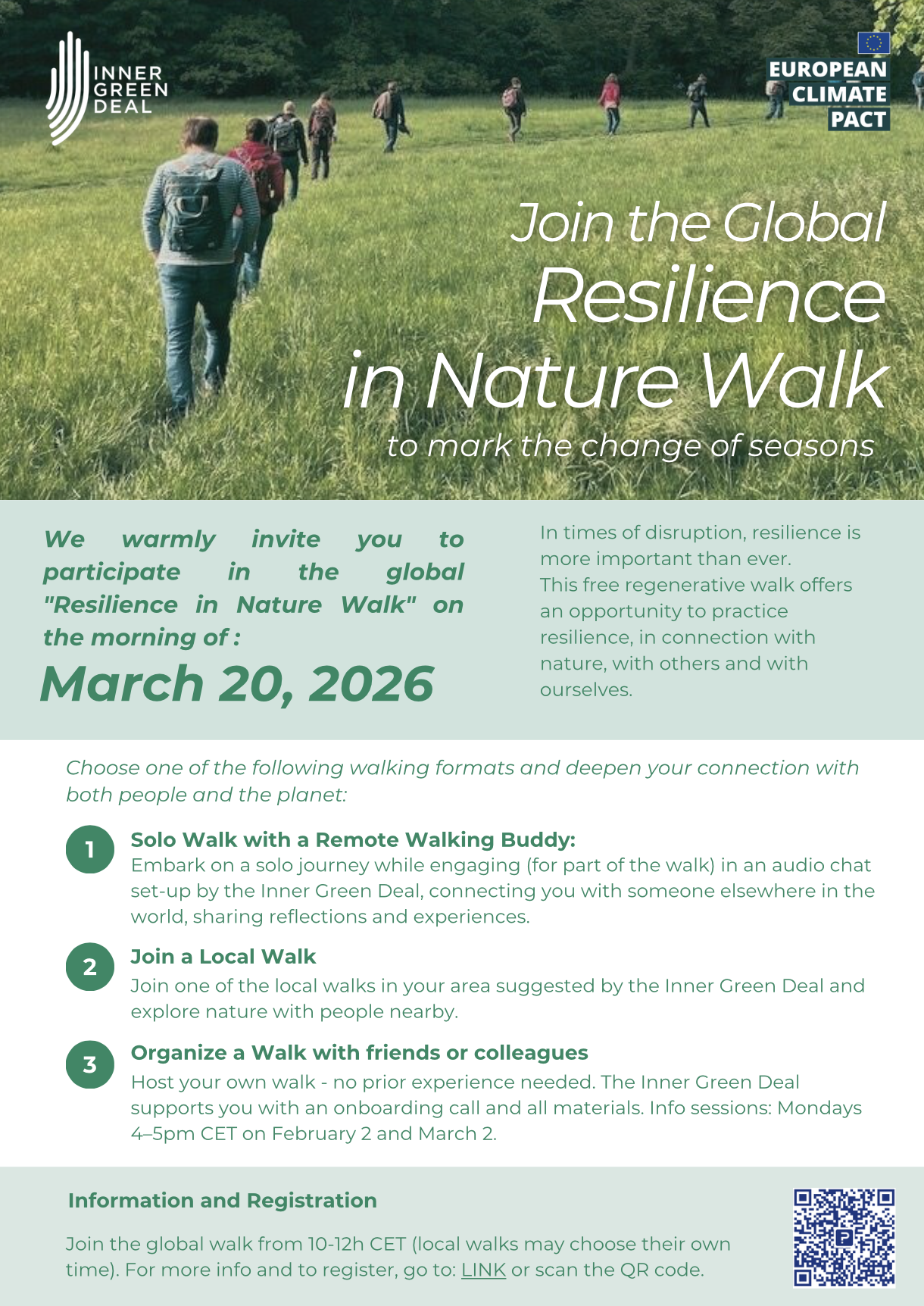
Kansainvälinen Resilience in Nature Walk perjantaina 20.3.
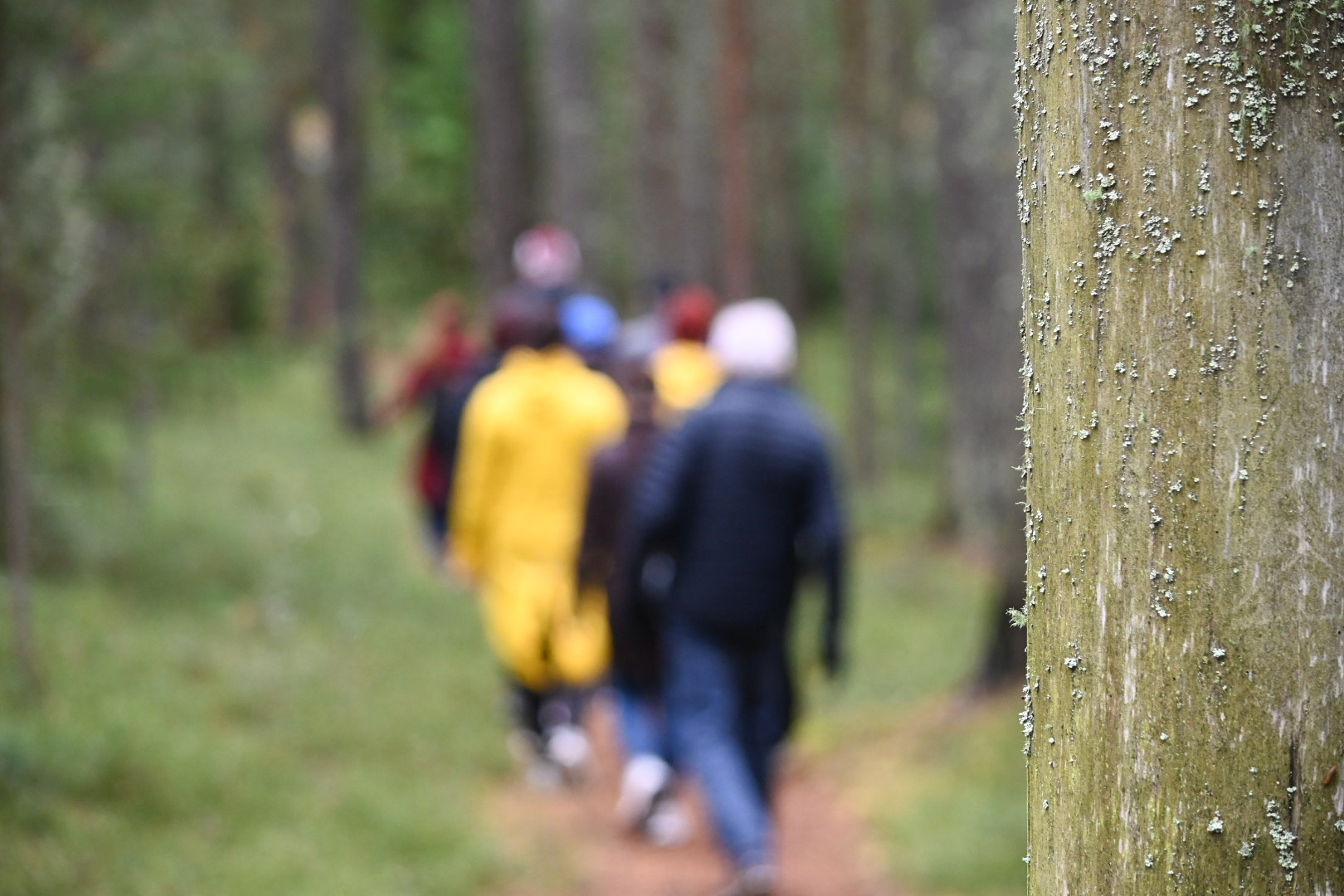
Luontovuoden 2026 kunniaksi Meijän polku kutsuu kaikki mukaan perjantaina kävelylle lähiluontoympäristöihin ja -reitistöille. Resilience in Nature Walk -tapahtumapäivän ajatuksena on valjastaa käyttöön kolme mielen hyvinvointiamme ja jaksamistamme edistävää ja kannattelevaa elementtiä – luontoympäristöt, kävelyn ja yhdessä olemisen. Kaikki teemoja, jotka ovat myös Meijän polun ja Luontovuoden 2026 ytimessä.
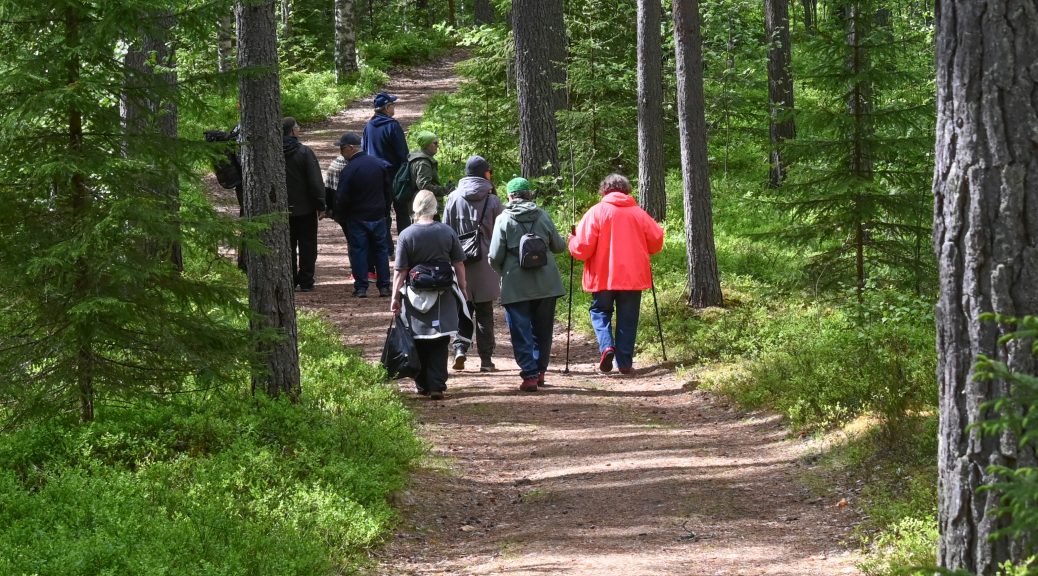
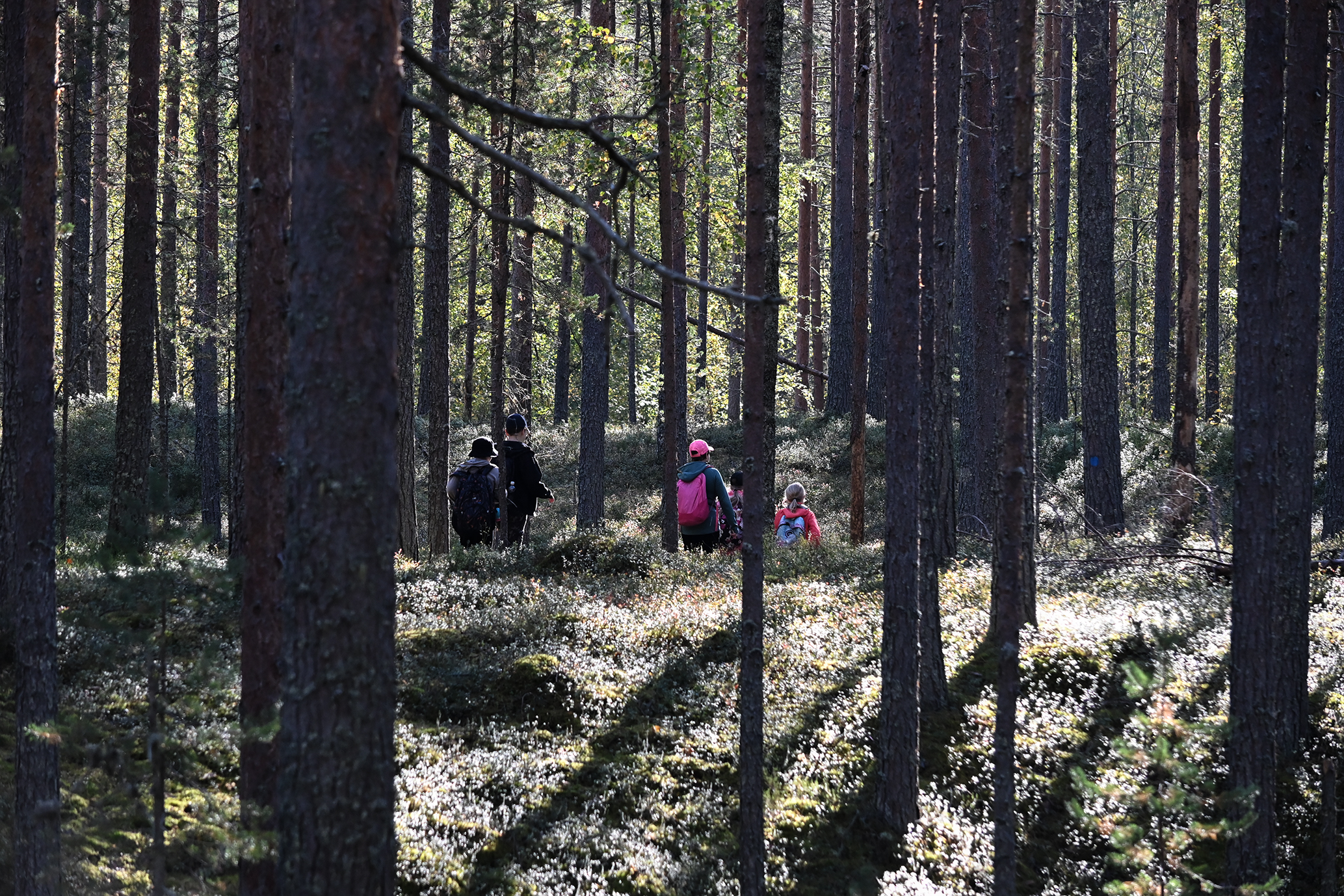
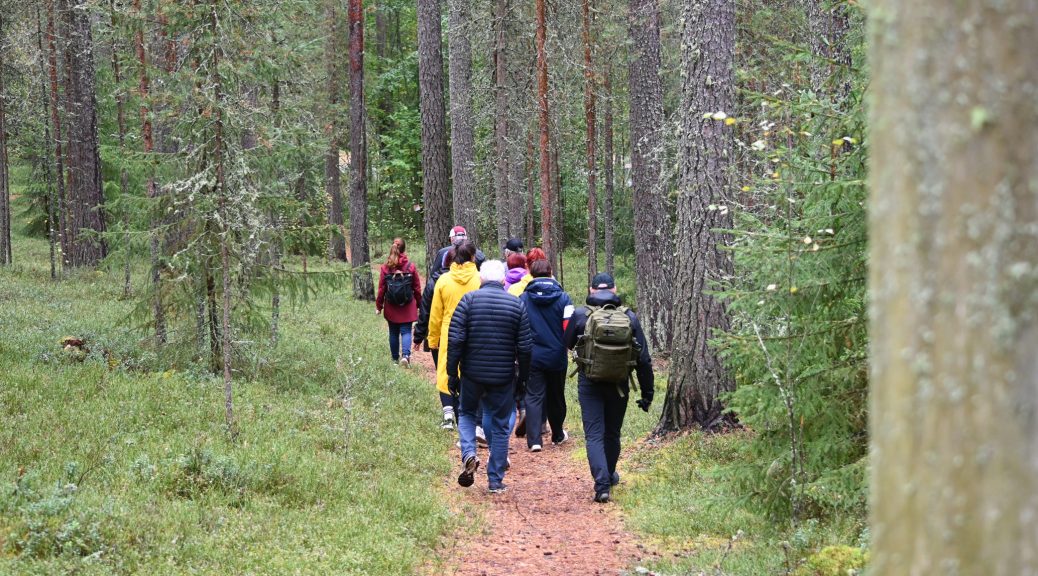
Lähiluonnon metsät tarjoavat upeita ympäristöjä lähteä kävelylle. Resilience in Nature Walkin ajatuksena on kahden tunnin aikana kävellä noin 2–3 kilometrin matka omassa lähiluonnossa.
Kansainvälinen tapahtuma järjestetään klo 11–13 Suomen aikaan, mutta kävelylle luontoympäristöihin voi perjantain mittaan lähteä milloin itselle parhaaksi sopii. Liikkeelle voi lähteä itsekseen, naapurin tai ystävän kanssa, tai vaikka työporukalla. Päivän mittaan on mahdollisuus osallistua myös kansainväliseen tapahtumaan, josta lisätietoja alla olevasta julisteesta.
Jos lähdette kävelylle, niin Instagaramissa voi kuvia jakaa @innergreendeal, @meijanpolku ja @luontovuosi2026.
Alla vinkkejä kävelylle.
Sijainti: Tapahtumapäivä innostaa osallistujia kohden metsäisiä ympäristöjä. Jos tällaisia ei ole lähistöllä, niin muutkin rauhalliset luontokohteet käyvät. Ihannetapauksessa kohde on helposti saavutettavissa kävellen, julkisilla liikennevälineillä tai pyörällä.
Kävelyn pituus: Kävelyllä ajatuksena on hidastaa vauhtia, olla läsnä ja tietoisempi sekä huomata, miltä sinusta tuntuu, kun vietät aikaa luonnossa. Suosituksena on noin 2–3 kilometrin kävely ja tavoitteena liikkua luontoympäristöissä noin kahden tunnin ajan. Eli tauoille ja keväisen luonnon ihmettelylle jää hyvin aikaa.
Ajoitus: Kansainvälinen tapahtuma on klo 11–13 Suomen aikaa. Voit kuitenkin vapaasti valita ajan, joka sopii parhaiten sinulle.
Maasto: Varmista, että kävelymaasto sopii itsellesi ja mahdollisille kävelykumppaneillesi. Varaa aikaa pysähdyksille, tauoille ja luonnosta nauttimisille.
Tapahtuman on laittanut liikkeelle eurooppalainen non-profit Inner Green Deal ja siihen on ilmoittautunut osallistujia yli neljästäkymmenestä maasta.
Torstaina 12.3. järjestetään kansallisen Terveyttä luonnosta -ohjelman avaustilaisuus Helsingissä. Terveyttä luonnosta -ohjelman tavoitteena on tuoda luonnon terveyshyödyt osaksi arkeamme ja sotesektorin toimintaa. Tilaisuuteen voi osallistua sekä paikan päällä, että etänä. Paikan päällä osallistuvilla on mahdollisuus osallistua myös esittelyn jälkeen pidettävään työpajaan.
Terveyttä luonnosta -ohjelman avauksessa esitellään myös Luontovuosi 2026 -teemavuosi ja kutsutaan kaikki suomalaiset mukaan nauttimaan monimuotoisesta lähiluonnostamme.
Lisätietoja ja ilmoittautuminen tapahtumaan löytyy THL:n sivuilta.
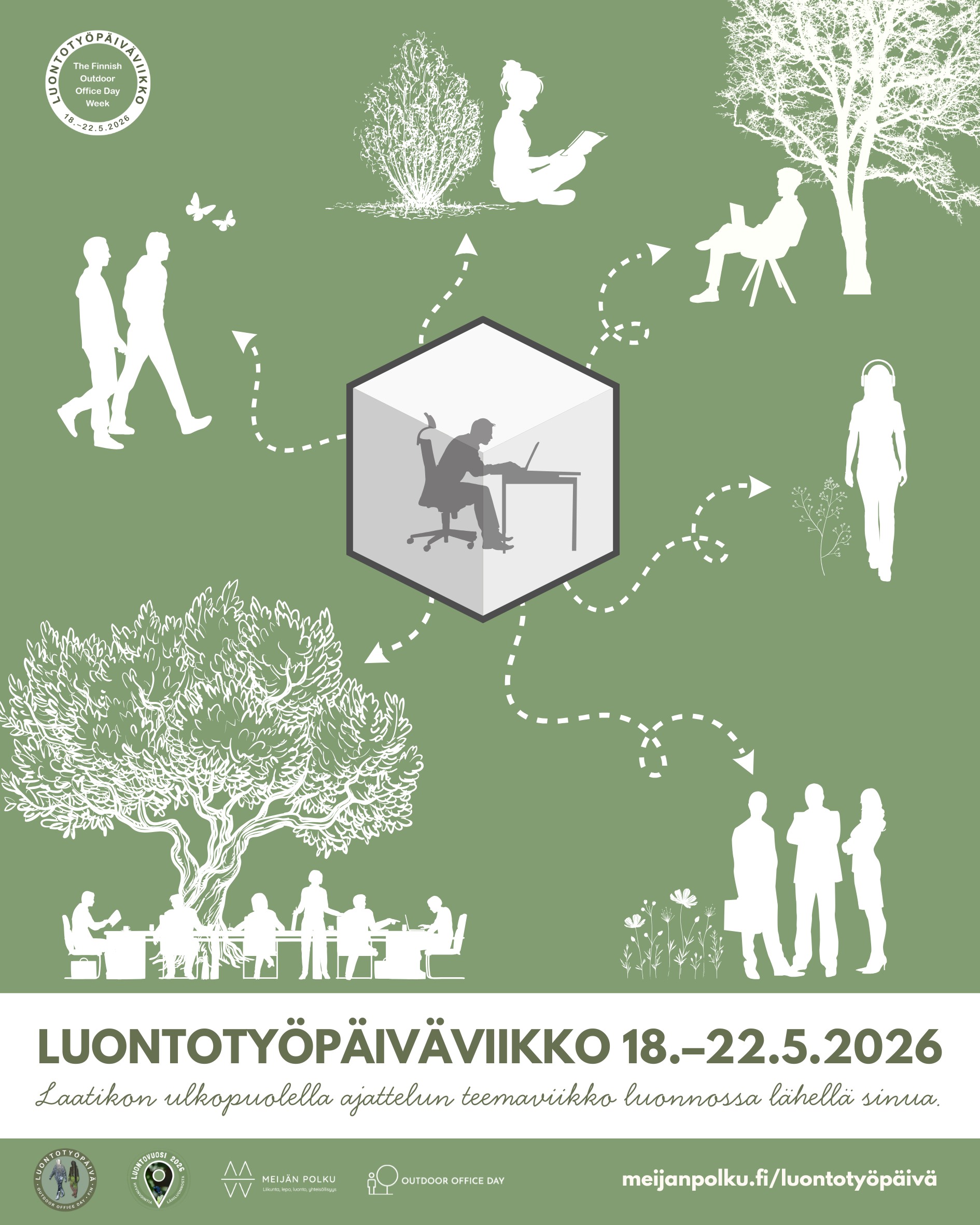
Suomalaisen työn ulkoiluttamisen juhlaviikkoa, Luontotyöpäiväviikkoa, vietetään taas toukokuussa. Luontovuonna 2026 viikon ajankohta on 18.–22.5., ja sitä vietetään luonnossa lähellä sinua.
Kuinka mukaan Luontotyöpäiväviikolle?
Juuri teidän omalla tavallanne. Luontotyöpäiväviikkoja on kaupunkitasolla aiemmin järjestetty esimerkiksi Jyväskylässä, Hämeenlinnassa ja Oulussa. Kuntana voi tänä vuonna osallistua myös Luontotyöpäiväviikkoon ja näin osallistua Vantaan kaupungin liikkeelle laittamaan Luontovuosi-haasteeseen. Pienemmissä työympyröissä tapahtumaviikolla voi kannustaa esimerkiksi työmatkarönsyilyyn, kävelypalaverien pitämiseen, kahvitaukojen siirtämiseen pihalla, tai tyhypäivien viettoon alueen lähiluonnossa. Myös lyhyiden ulkopiipahdusten hyödyt mielelle ja hyvinvoinnille nousevat yhä useammin esille; pidä muutaman minuutin tauko ja piipahda pihalla. Ideoita ja vinkkejä luontotyöpäivien viettoon löytyy Luontotyöpäivien nettisivuilta.
Tervetuloa mukaan tekemään suomalaisen työn tulevaisuutta ja kokeilemaan ajattelua laatikon ulkopuolella!
Luontotyöpäivät ovat keskisuomalaisen asiantuntijaverkosto Meijän polun teemapäivä, jota on vietetty vuodesta 2020 lähtien, ja viikon mittaisena tapahtumana vuodesta 2024 lähtien. Luontotyöpäivät ovat osa kansainvälistä Outdoor Office Day -verkostoa. Vuonna 2026 Luontotyöpäiväviikko on luonnollisesti myös osa Luontovuosi-teemavuotta.
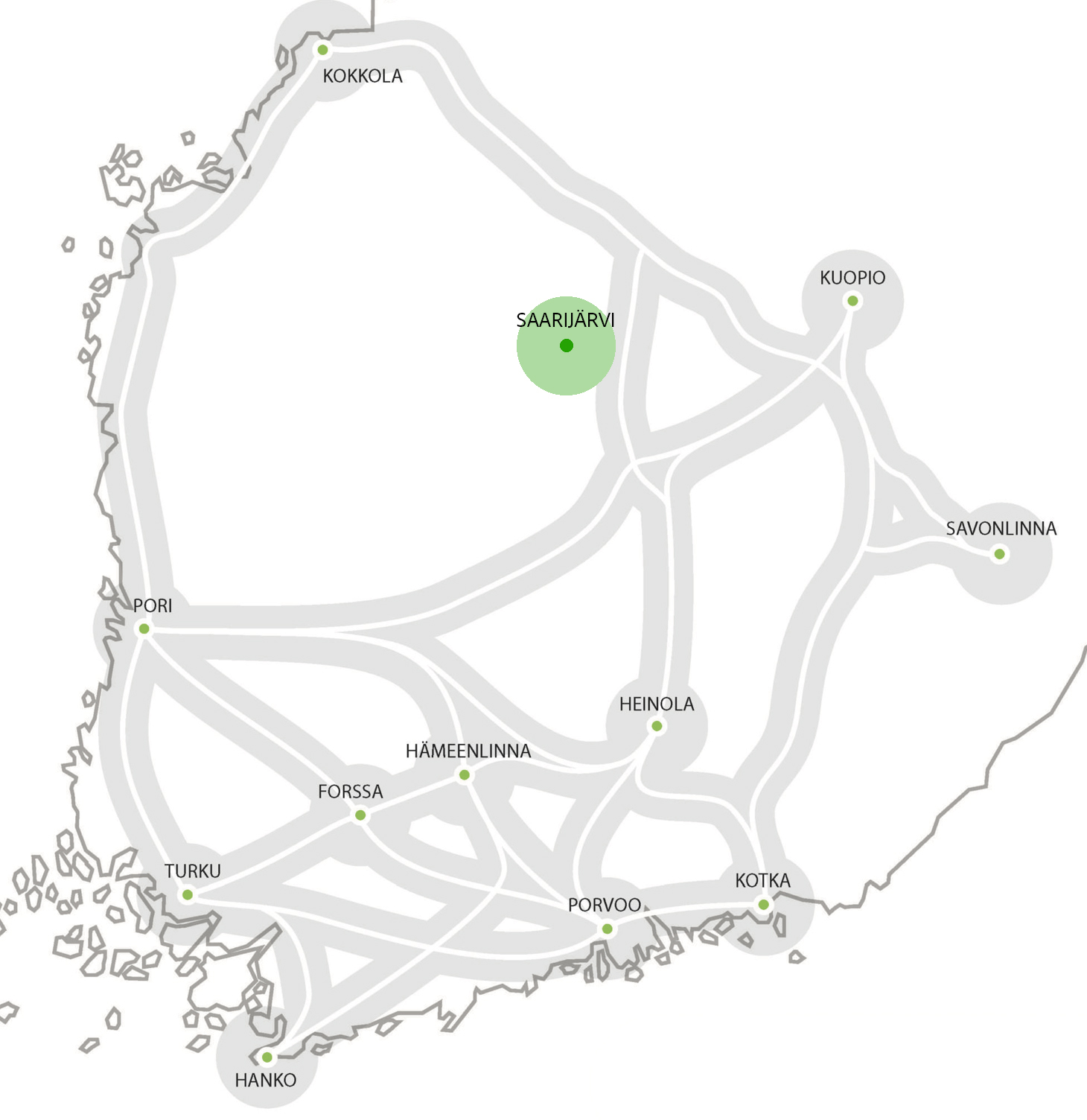
Saarijärven Paavot tekivät vastikään esityksen, että Saarijärvelle perustettaisiin kansallinen kaupunkipuisto. Suomessa on kansallisia kaupunkipuistoja yksitoista, joista Keski-Suomea lähinnä sijaitsevat ovat Heinolassa ja Kuopiossa.
Saarijärven mahdollisen kansallisen kaupunkipuiston sijainti merkitty kartalle muiden kaupunkipuistojen verkostoon. Saarijärven kaupunkipuisto täydentäisi näin keskisuomalaisin silmin mainiosti kaupunkipuistoverkostoa. Karttappohja: kansallisetkaupunkipuistot.fi.
Suomesta löytyy erilaisia arvokkaita ja suojeltuja ympäristöjä, aina erämaisten luonnonpuistojen hiljaisuudesta kaupunkipuistojen vilkkaisiin, kulttuuria huokuviin maisemiin. Näiden ohella löytyy vuosisataisen rinnakkaiselon kautta syntyneet perinnemaisemat, niityt, kedot ja hakamaat. Ne kaikki kertovat osaltaan tarinaa suomalaisesta luonnosta ja siitä, miten sitä on suojeltu, hyödynnetty ja arvostettu eri aikoina.
Monenkirjavia puistoja
Luonnonpuistot on perustettu ensisijaisesti luonnontilan säilyttämiseen ja tieteelliseen tutkimukseen, ja ne ovat Suomen tiukimmin suojeltuja luontoalueita. Lakiin perustuvien määräysten mukaan luonnonpuistot pidetään mahdollisimman koskemattomina ja liikkuminen vaatii usein kirjallisen luvan. Käytännössä luonnonpuistot ovat yleisöltä suljettuja. Näin varmistetaan, että tutkijat voivat seurata luonnon kehitystä ilman ihmisen aiheuttamia häiriöitä. Keski-Suomessa Salamajärven kansallispuistossa löytyy pieni luonnonpuisto.
Kansallispuistojen tehtävä on turvata maamme arvokkaimmat luonnonpiirteet ja tarjota mahdollisuus luonnon kokemiseen kestävästi. Kansallispuistot ovat monille suomalaisille tuttuja retkikohteita, viime vuonna 41 kansallispuistossa käyntikertoja oli 3,5 miljoonaa. Ne ovat silti luonnonsuojelualueita, joiden perustamisesta säädetään aina omalla lailla. Kansallispuistot ovat siis eräänlainen kompromissi luonnonsuojelun ja virkistyksen välillä, ne suojelevat ekosysteemejä, mutta tarjoavat samalla opastettuja reittejä, tulipaikkoja ja palveluita luonnossa liikkumiseen.
Perinnemaisemat ja perinnebiotoopit ovat luonnon ja kulttuurin yhteinen perintö. Ne ovat syntyneet ihmisen ja luonnon rinnakkaiselon tuloksena, perinteisen maa- ja metsätaloustoiminnan tuloksena. Niittyjä, ketoja, hakamaita ja metsälaitumia ylläpitävät laiduntavat eläimet ja niitto, ja siksi niiden monimuotoisuus on suoraan riippuvainen jatkuvasta hoidosta. Ilman niittoa ja laidunnusta ne kasvavat umpeen ja muuttuvat muiksi elinympäristöiksi. Perinnebiotoopit ovat Suomen uhanalaisimpia luontotyyppejä, ja suurin osa niistä on arvioitu jopa äärimmäisen uhanalaisiksi. Ne ovat myös lajistoltaan hyvin rikkaita, sillä monet uhanalaiset hyönteis- ja kasvilajit elävät juuri näissä ihmisen hoitamissa ympäristöissä.
Kansalliset kaupunkipuistot ovat uudenlainen tapa yhdistää luonto ja rakennettu ympäristö. Ne sijaitsevat kaupungeissa ja muodostavat laajoja kokonaisuuksia, jotka yhdistävät kaupunkiluontoa, viherympäristöjä ja kulttuurihistoriallisesti arvokasta rakennuskantaa. Kaupunkipuistojen tarkoitus on turvata kaupunkien kulttuuri- ja luonnonmaisemien säilyminen ja tukea kaupunkilaisten hyvinvointia. Toisin kuin luonnon- ja kansallispuistot, kaupunkipuistot eivät ole luonnonsuojelualueita, vaan osa maankäytön suunnittelua. Kaupunkipuistot ovat kaupungin sitoumus vaalia arvokkaita alueita osana kaupunkirakennetta.
Ihmisen ja luonnon vuorovaikutuksen mahdollistaminen
Kun tarkastelemme Suomen luonnonpuistoja, kansallispuistoja, kaupunkipuistoja ja perinnebiotooppeja yhdessä, niistä piirtyy kuva monikerroksisesta luontokokonaisuudesta. Yhdessä nämä puistot ja luontotyypit muodostavat Suomen luonnon ja kulttuurimaiseman kerroksellisen kokonaisuuden, jossa luonnontilainen, hoidettu ja kaupunkimainen ympäristö täydentävät toisiaan. Samalla ne tarjoavat ihmisille mahdollisuuksia luontokokemuksiin, sillä myös hoidetut kulttuuriympäristöt ja kaupunkipuistot vahvistavat viherympäristöjen saavutettavuutta.
Saarijärven Mannilan alueesta ideoidaan Suomen 12. kansallista kaupunkipuistoa. Kuva syksyltä 2024, jolloin alueella työpajailtiin Meijän metsien ja alueellisten terveysmetsien merkeissä. Kuva Juho Jäppinen.
Keski-Suomen alueelta kansallinen kaupunkipuisto vielä uupuu ja Saarijärvelle ideoitu puisto täydentäisi hienosti keskisuomalaisen luonnon moninaisia kokemispaikkoja ja luonnonalueiden arvostuksen kasvattamista. Puiston selvityksen käynnistäminen olisi myös upea keskisuomalainen luontoteko Luontovuodelle 2026, ja Saarijärveltä vastaus Vantaan kaupungin esittämään haasteeseen Suomen kunnille.
Luontopositiivinen Vantaa on lähtenyt mukaan Luontovuosi 2026 -teemavuoden viettoon, ja haastaa myös muut suomalaiset kunnat mukaan!
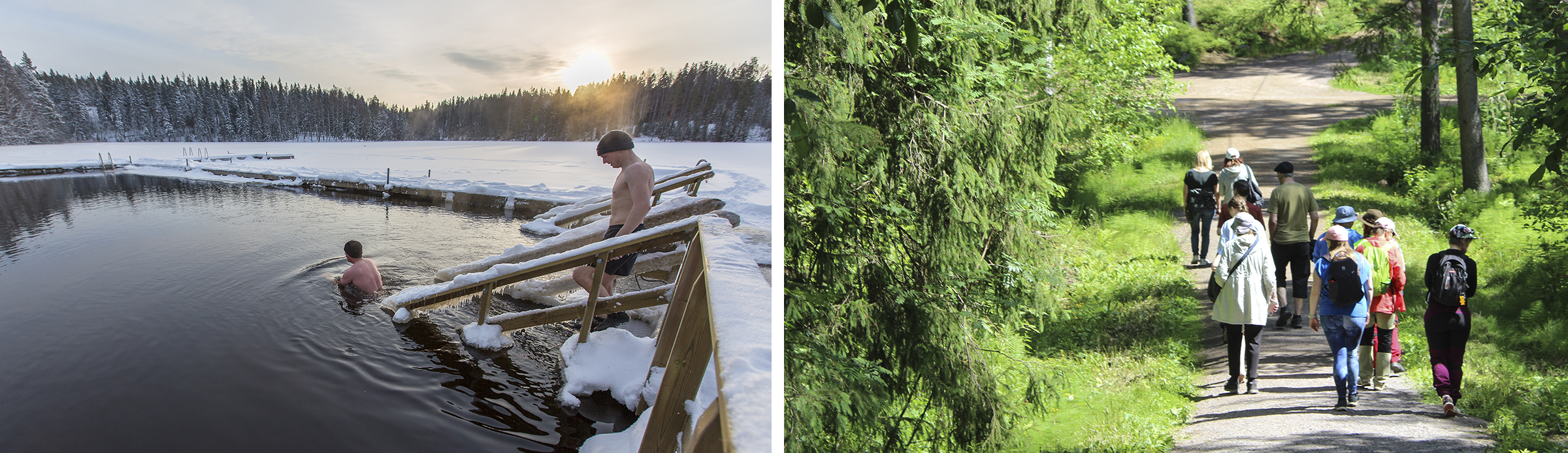
Vantaa innostaa asukkaitaan luontoympäristöihin liikkumaan ja nauttimaan ympäri vuoden. Lähiluonnon monet mahdollisuudet tarjoavat upeita puitteita nauttia myös Luontovuodesta. Kuvat Sakari Manninen ja Vantaan kaupunki.
”Luonnossa liikkuminen tekee hyvää, ja luonnolle voi myös itse tehdä hyvää, vaikkapa torjumalla haitallisia vieraslajeja. Vantaa kannustaa asukkaitaan lähtemään luontoon ja nauttimaan luonnon virkistävistä ja terveyttä edistävistä vaikutuksista. Lisäksi Vantaa haastaa myös muut Suomen kunnat osallistumaan luontovuoteen”, kannustaa Vantaan ympäristösuunnittelija Annina Vuorsalo.
Vantaalle myönnettiin vuoden 2025 lopulla kunniamaininta Suomen luonnon puolesta tehdystä työstä. Vantaa on myös ensimmäinen Suomen kunta, joka on ottanut käyttöön luonnonsuojelulain mukaisen ekologisen kompensaation. Luontovuoden kunniaksi Vantaa kutsuu myös kaikki muut Suomen kunnat tekemään yhä enemmän luontopositiivisia tekoja.
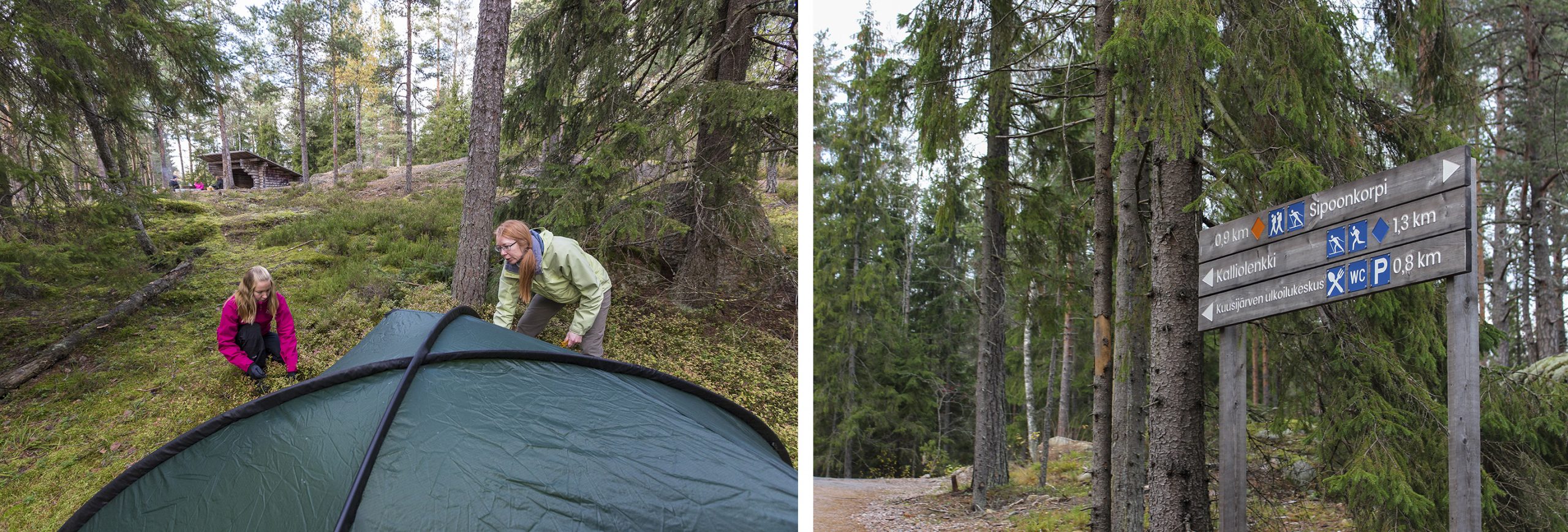
Vantaalta löytyy runsaasti myös reitistökohteita päiväretkeilyyn, ja myös mahdollisuuksia pidemmillekin retkille. Kuvat Sakari Manninen ja Alisa Kaukio, Vantaan kaupunki.
Pahoittelut hieman harhaanjohtavasta otsikosta. Uudesta kansallispuistosta ei olle vielä päätetty, vaan idea on vasta nostettu esille uudessa Kansallispuistoverkoston kehittäminen -selvityksessä, mutta se sopii mitä parhaiten luontopositiivisen Keski-Suomen tulevaisuuteen! Mistä on siis kyse?
Luonnonmetsä-työryhmä julkaisi juuri uuden selvityksen, jossa esitetään Suomeen perustettavaksi 12 uutta kansallispuistoa, sekä myös jo olemassa olevien kansallispuistoalueiden merkittäviä laajentamisia. Tavoitteena on lisätä suojeltujen luontoalueiden määrää ja kokoa sekä parantaa Suomen luonnonsuojelualueiden kytkeytyneisyyttä.
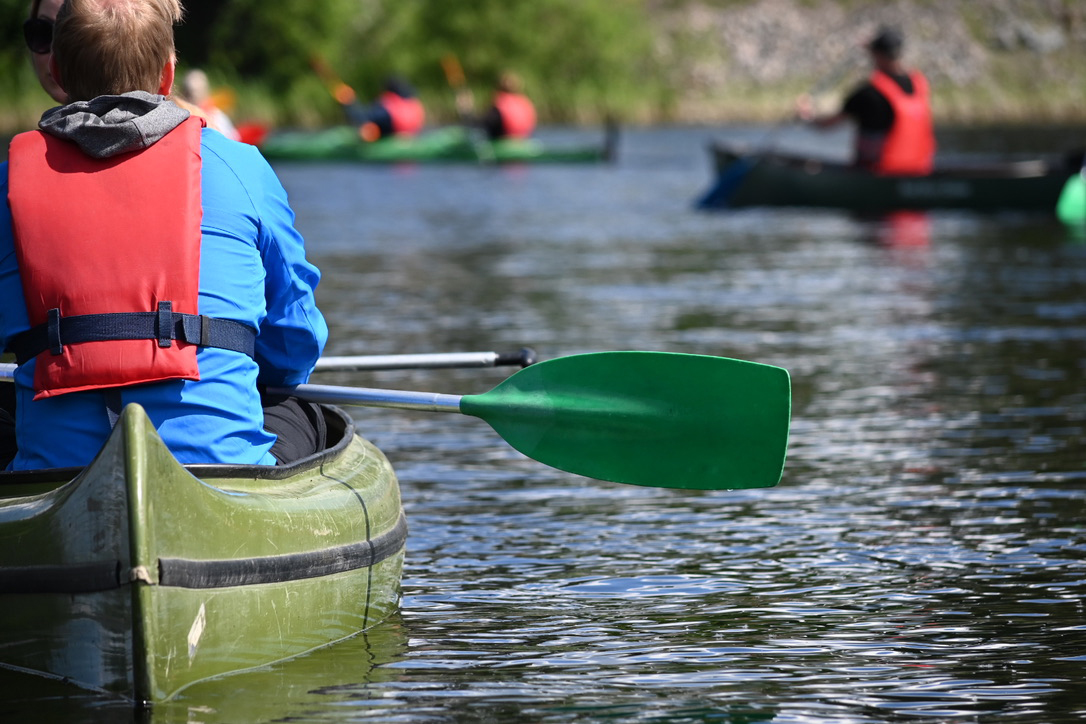
Melontareitistöjen ja -matkailun kehittäminen olisi yksi Mänttä-Keurusselän kansallispuiston upeista luonnossa liikkumisen lisäämisen mahdollisuuksista. Kuva Keuruun sydänreitiltä kesältä 2024.
Yksi esitetyistä uusista kansallispuistoista olisi Mänttä-Keurusselän kansallispuisto, joka painottuisi omanalaatuisensa järvi- ja saaristoluonnon suojelemiseen ja esimerkiksi melontaretkeilyn kehittämiseen. Ehdotetun kansallispuiston koko olisi noin 4 500 hehtaaria ja se sijoittuisi Keski-Suomessa Keuruun ja Jämsän alueelle. Pirkanmaalta kansallispuiston aluita olisi Mänttä-Vilppulassa ja Ruovedellä.
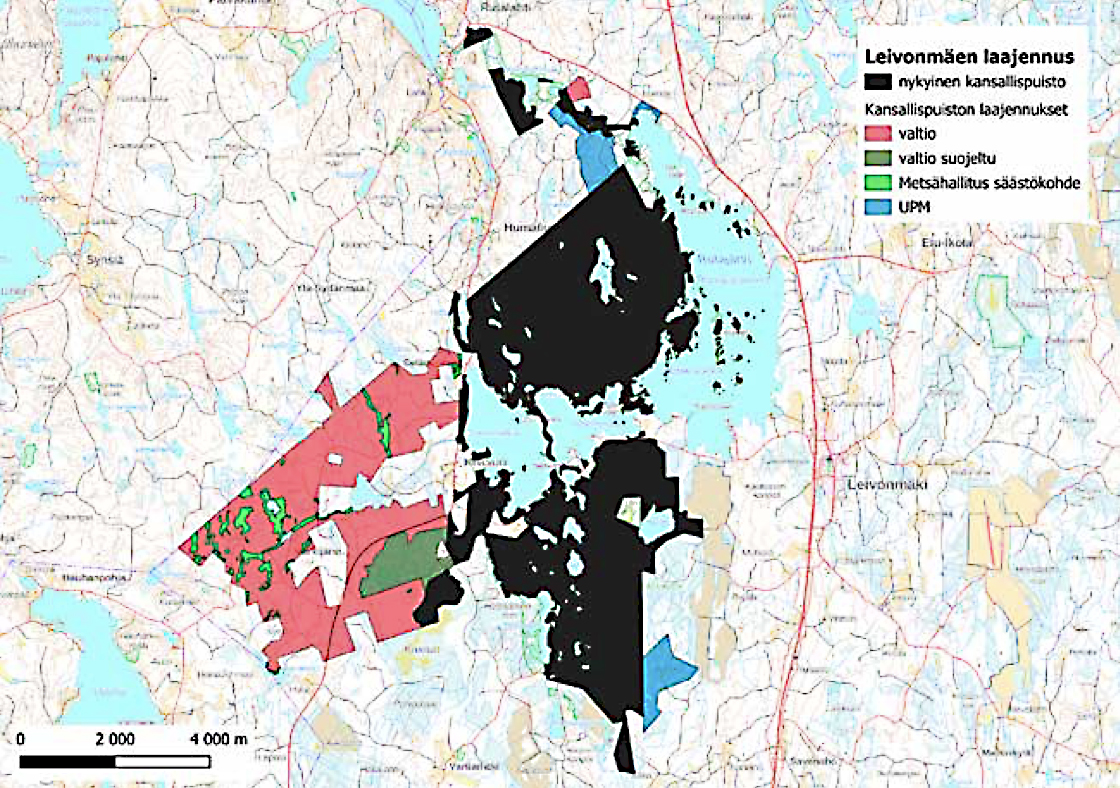
Keski-Suomen osalta ehdotuksessa on myös kolmen maakunnassa sijaitsevan kansallispuiston laajentaminen. Merkittäviä laajennuksia ehdotetaan Leivonmäen kansallispuistoon, Pyhä-Häkin kansallispuistoon sekä Salamajärven kansallispuistoon. Laajennukset mahdollistaisivat paitsi laajempien luontoalueiden suojelun, myös uusien vaellus- ja retkeilyreitistöjen avaamisen ja luontomatkailun kehittämisen.
Laajennussuunnitelmat pohjautuisivat pitkälti valtion maille. Kuvakaappaus Leivonmäen kansallispuiston laajennusmahdollisuuksista raportissa.Leivonmäen kansallispuiston laajentaminen mahdolllistaisi laajempien luontoalueiden suojelun ohella myös uusien luontoretkeilymahdollisuuksien ja -reitistöjen kehittämisen. Kuva Leivonmäen kansallispuistosta vuodelta 2023.
Kohden luontopositiivista Keski-Suomea!
Raportissa esitetty uuden kansallispuiston perustaminen sekä Keski-Suomen alueen kansallispuistojen merkittävä laajentaminen sopii luonnollisesti myös luontopositiinen Keski-Suomi -visioonkin, jonka ajatuksena on viedä aluetta kohden luontopositiivista tulevaisuutta, ja sen monia mahdollisuuksia sekä hyvinvointimme ja terveytemme edistämisessä, mutta myös luontoympäristöjemme tervehtymisessä ja luontomatkailun kehittämisessä.
Uuden kansallispuiston suunnittelun käynnistäminen ja olemassa olevien laajentaminen olisi upea keskisuomalainen teko Luontovuodelle 2026. Ruvetaanhan hommiin!
Suomalaisessa populaarikulttuurissa luonto ja vuodenajat ovat olleet keskeisessä osassa, eivät vain symbolisena taustana. Sadatkesät, Keurusselän sinet, syksyn sävelet, myrskyn jälkeiset ajat ja talven hiljaisuus ovat muodostaneet puitteet tarinoille rakkaudesta, yksinäisyydestä, elämästä ja kaipuusta. Luonto on tarjonnut sanoitusta tunteille, joita ei muuten ehkä ole osattu ilmaista. Ihminen on ollut pieni, mutta kokonainen, ja ihmiselo suhteutunut johonkin itseä suurempaan.
Mitä sanoo tutkimukset?
Kansainväliset tutkimukset osoittavat, että luontoon liittyvä kieli ja mielikuvitus ovat heikentyneet länsimaissa jo 1900-luvun puolivälistä lähtien. Kesebirit (2017) toteavat, että kulttuuriproduktiot eivät vain heijasta luontosuhdetta, vaan muokkaavat sitä. Kun musiikissa, kirjallisuudessa ja lauluissa luonto on läsnä, lapset ja nuoret oppivat huomaamaan luonnon merkityksellisenä ja arvokkaana – vaikka he eivät sitä tietoisesti opettelisi. Kun sanasto köyhtyy, katoaa myös kyky havainnoida ja arvostaa luonnon monimuotoisuutta.
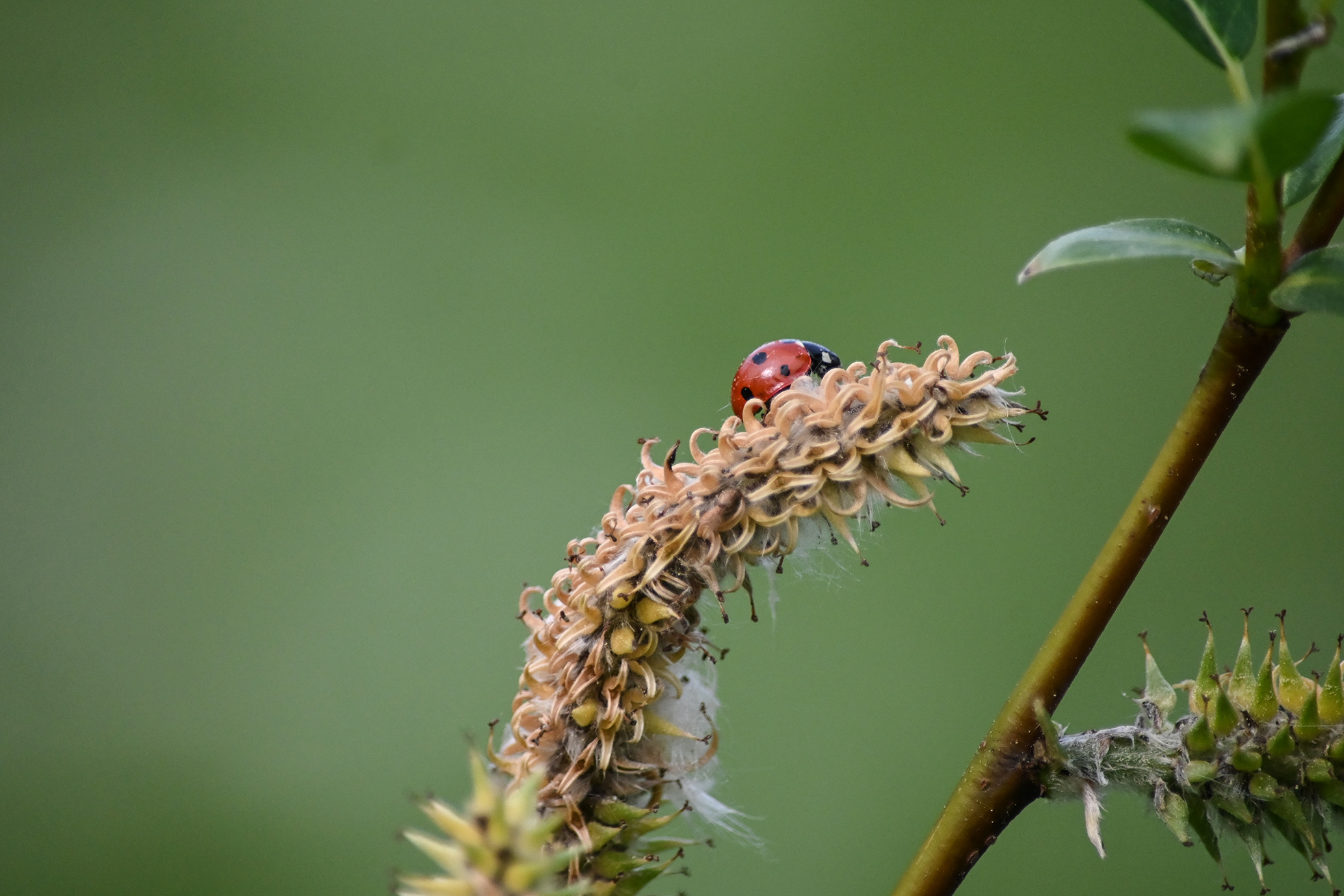
’Ötökkä’, ’leppäpirkko’, ’leppäkerttu’ vaiko ’seitsenpistepirkko’? Luontosanaston köyhtyessä myös kykymme sanoittaa ja ymmärtää ympäröivää luontoa heikkenee. Eri hyönteislajeja, eli ’ötökkälajeja’, on Suomessa tavattu reilut 24 000. Suomen kansallishyönteinen seitsenpistepirkko on näistä yksi.
Kielen köyhtyminen on jatkunut pitkään. Viittaukset luontoon ovat vähentyneet tasaisesti kaunokirjallisuudessa, laululyriikoissa ja elokuvien tarinoissa. Miles Richardson (2024) analysoi tutkimuksessaan Google Books -aineistoa ja havaitsi, että englanninkielisessä kirjallisuudessa luontoon liittyvä sanasto on vähentynyt noin 60 prosenttia 1800-luvulta nykypäivään. Tämä ilmiö tunnetaan nimellä kokemusperäisen tiedon sukupuutto (experience extinction). Vuonna 2007 Oxford Junior Dictionary poisti nuortensanakirjastaan lukuisia luontosanoja kuten tammenterho (acorn) ja sinikello (bluebell) korvaten ne digiajan termeillä kuten blog ja chatroom. Päätös herätti laajaa kritiikkiä, mutta sanakirjan toimittajat perustelivat linjauksia lasten muuttuneella kielenkäytöllä; ne ovat sanoja, joita ei enää tarvita, koska ne eivät ole lasten arjessa läsnä. Kehitys on linjassa sen kanssa, että sisätiloissa ja virtuaalisesti tapahtuva vapaa-ajanvietto on lisääntynyt, eikä se selity yksinomaan kaupungistumisella. (Kesebir & Kesebir, 2017).
Putosiko Suomi puusta?
Kyllä. Kotimaisten kielten keskus (Kotus) julkaisi juuri vuoden 2025 uudet sanapoiminnot. Ne osoittavat, että luontoon liittyvä uusi sanasto Suomessa muodostuu pääasiassa tieteellisistä ja hallinnollisista käsitteistä, kuten ympäristökriisien kaksoisajuri, luontokato, AMOC ja hiilinieluvelka. Luonto on yhä useammin keskustelun kohde, järjestelmä tai riski, ei koettu ympäristö. Uudet sanat ovat tässä ajassa tärkeitä ja välttämättömiä, mutta ne eivät kanna mukanaan samaa kokemuksellista, aistillista tai tunteellista ulottuvuutta. Suomessa sanat katoavat usein hiljaisesti, käytön hiipuessa, ei niinkään virallisen poiston kautta; kuvaileva ja kokemusperäinen sanasto ei siirry sukupolvelta toiselle.
Ekologinen kielitiede tutkii, miten luonnonkokeminen ja kielen katoaminen kulkevat käsi kädessä. Kun paikalliset murresanat ja lajien nimet unohtuvat, katoaa myös kulttuurinen ja ekologinen tieto (Luthin, 2020). Richardson (2024) toteaa, ettei tämä ole vain kielellinen muutos, vaan kulttuurinen käänne. Luontosuhteen heikkeneminen ei johdu ensisijaisesti yksilön elämän aikana koettujen luontokokemusten vähentymisestä, vaan siitä, ettei luontosuhde enää siirry sukupolvelta toiselle. Kun luonto katoaa lauluista, tarinoista ja arjen kielestä, katoaa myös se hiljainen perintö, joka tekee luonnosta meille merkityksellisen ilman selityksiä.
Janne Laitinen Kirjoittaja toimii lähiLUMO-hankkeessa, jossa tutussa lähiluonnossa havaitaan osin unohdettuja asioita. Jotta muistaisimme paremmin.
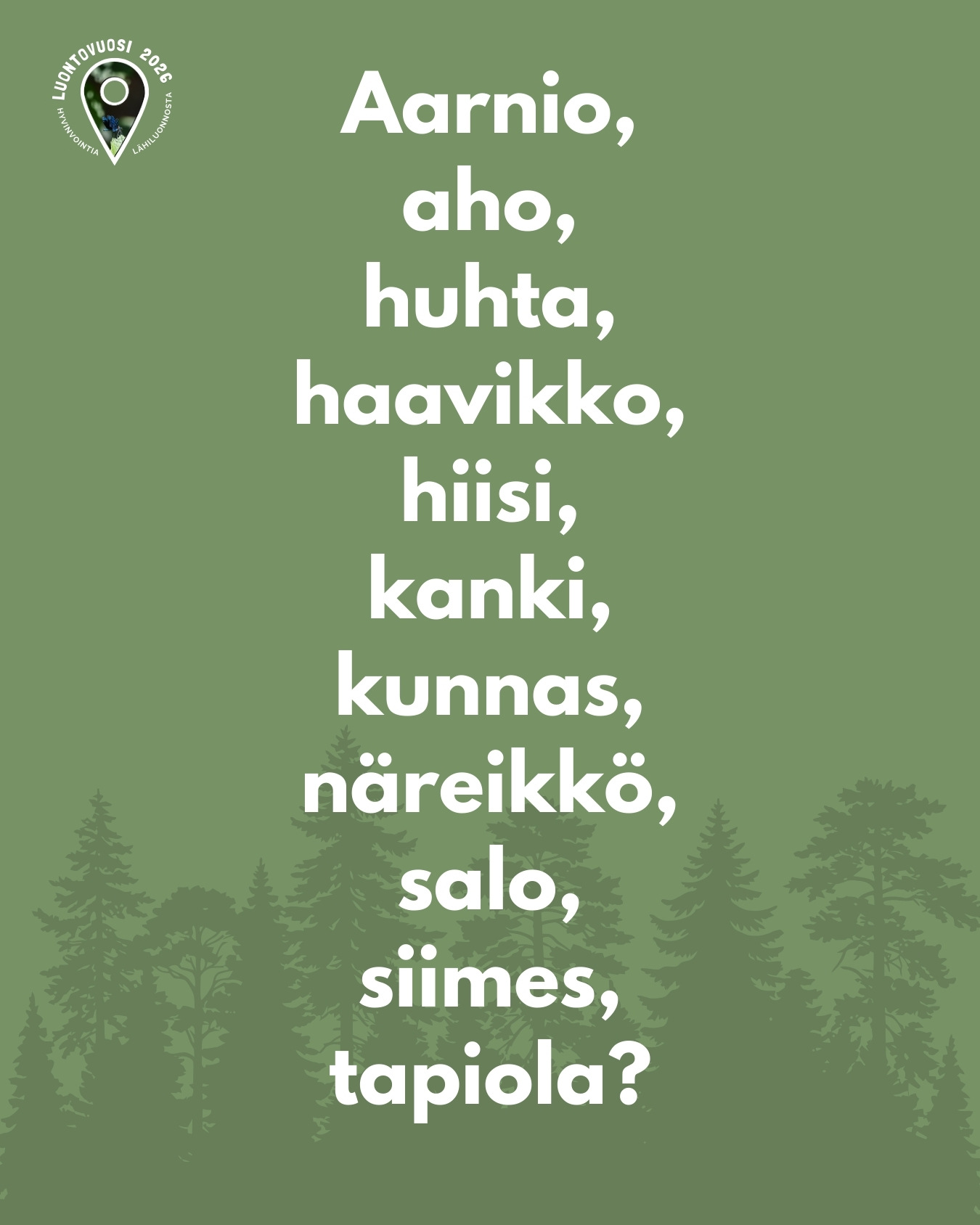
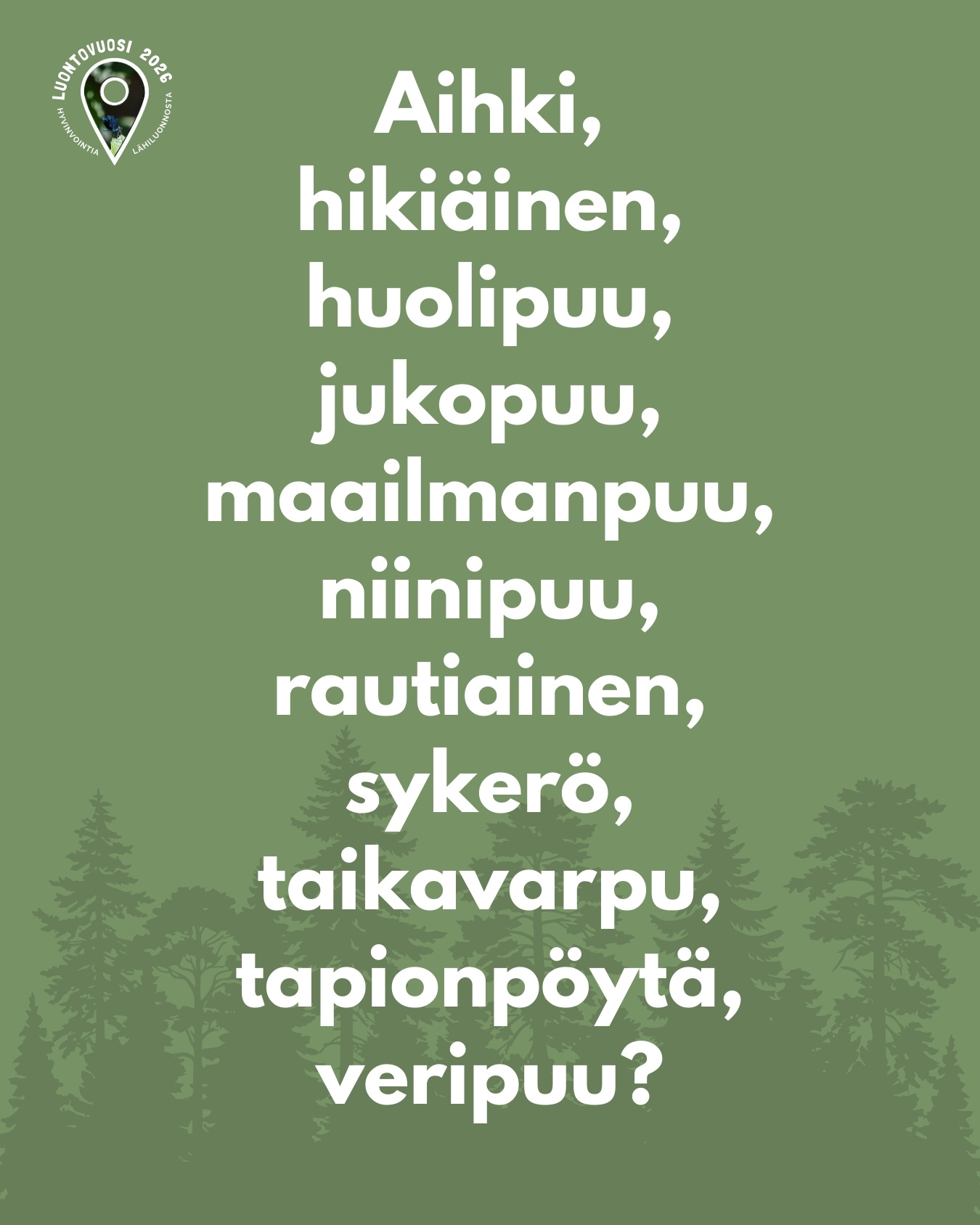
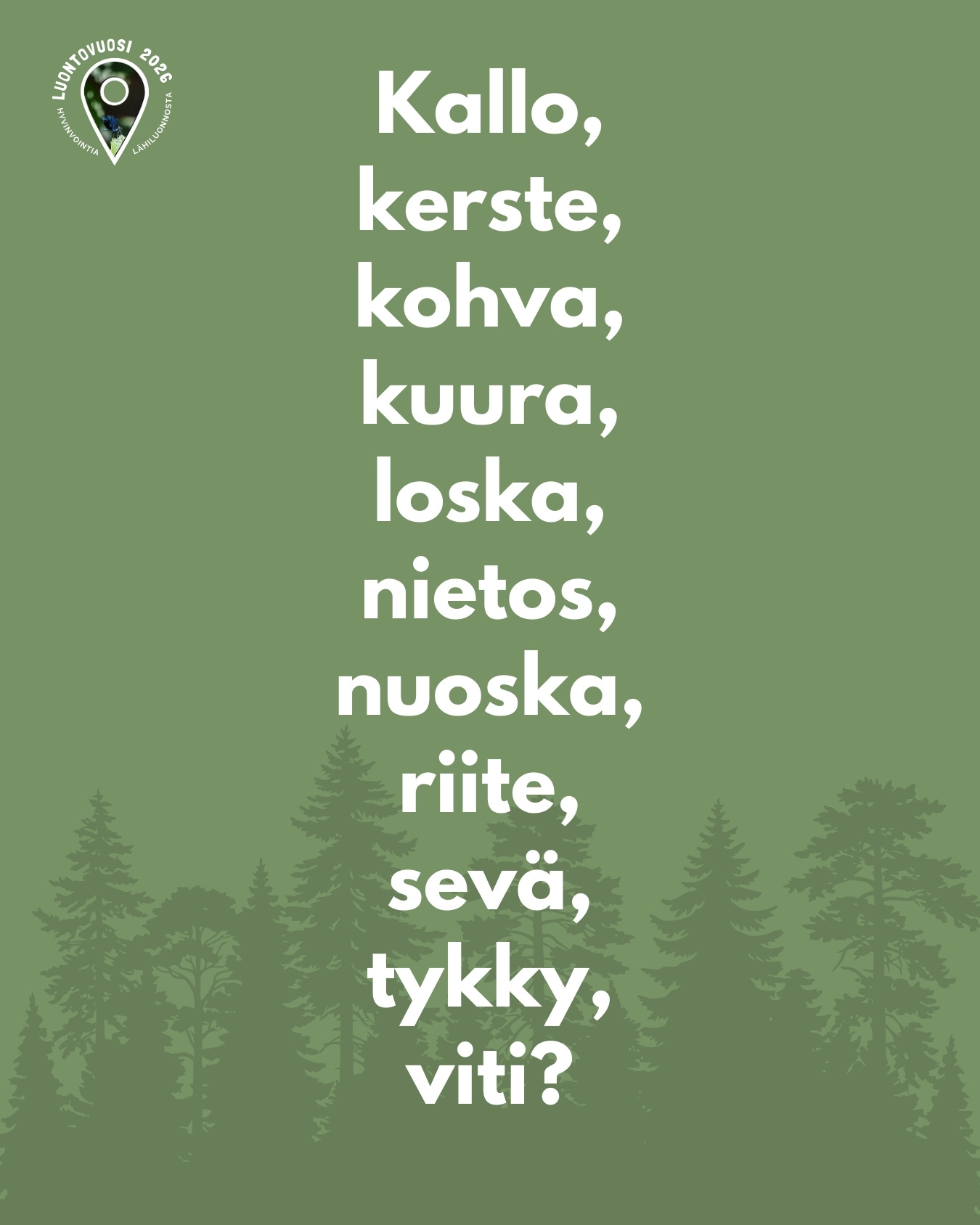
Blogi on osa Luontovuosi 2026 -teemavuoden julkaisusarjaa. Luontovuoden tarkoituksena on saada kaikki suomalaiset oleskelemaan ja liikkumaan enemmän luonnossa. Liikkeelle voi lähteä vaikka tutustumalla yllä olevien vihreiden laatikoiden luontosanoihin. Ne kertovat metsistä, puista ja lumesta.