Outdoor Express -bussit ajavat taas kesällä 2026 Keski-Suomen kolmeen kansallispuistoon: Pyhä-Häkkiin, Leivonmälle ja Etelä-Konnevedelle.
Kesällä 2025 käynnistyneet Outdoor Express -kansallispuistobussit jatkavat kuljetuksia myös Luontovuonna 2026. Kesälle 2026 palvelua on laajennettu ja uutuutena toteutetaan yhdessä bussireittien liikennöitsijän MatkaMäkelän kanssa asiakkaalle helposti ostettavia matkapaketteja, joissa yhdistyvät kuljetukset ja kohteissa tapahtuvat opastetut aktiviteetit. Kuletuskautta on myös pidennetty, ja kuljetukset käytössä myös Reitistöviikolla syyskuussa.
Kuljetukset lähtevät Jyväskylän Matkakeskukselta ja myös matkalta pääsee kyytiin mukaan. Etelä-Konneveden kansallispuistoon on kesällä tarjolla kaksi reittiä, joista toinen kulkee Laukaan Peurungan kautta Häyrylänrantaan ja toinen Hankasalmen Revontuli Resortin kautta Kalajan alueelle. Pyhä-Häkin kuljetukset pysähtyvät Saarijärven keskustassa. Leivonmäellä Outdoor Express -bussit tarjoavat myös kansallispuiston sisäistä liikennettä päivän aikana.
Aikaa luonnosta nauttimiseen jää päivämatkailijoille noin 4-5 tuntia. Kahtena peräkkäisenä päivänä ajettavat vuorot tarjoavat mahdollisuuden yöpymiseen ja alueen matkailupalvelujen hyödyntämiseen.
Outdoor Express -kuljetukset ovat osa Kestävää kansainvälistä saavutettavuutta Keski-Suomen matkailuun (KeKaSa) -hanketta. Hankkeen toteuttajana on Keski-Suomen matkailun alueorganisaationa toimiva Visit Jyväskylä Region. Hanke on Euroopan unionin osarahoittama. Rahoituksen on myöntänyt Keski-Suomen Liitto. Hankkeen yhteistyökumppaneina ovat matkailualueen yhteistyökunnat, Jyväskylän Ammattikorkeakoulu JAMK ja Keski-Suomen Kauppakamari.
Miljoonan askeleen kävelyhaaste käynnistyy 2.2.2026
Vuonna 2026 vietetään Luontovuotta, jonka johtoajatuksena on lähiluonnossa vietetyn ajan lisääminen kaikkien suomalaisten arjessa. Yksi pettämätön tapa lisätä ulkoilua ja luontoympäristöissä liikkumista, on lisätä askelia arkeemme, sillä suomalaisten yleisimmät, ja mieluisimmat, ulkoilupaikat ovat kodin lähistön luontokohteet ja ulkoilureitistöt. Ja se kävely, se on eniten harrastettu liikkumis- ja kuntoilumuoto täällä Suomessa.
Fyysisen aktiivisuuden ja ulkoilun lisäämisen hyvinvointi- ja terveyshyödyistä tuleekin jatkuvasti uutta tietoa. Aktiivisen liikkumisen, kuten kävelyn, lisääminen muun muassa kohentaa mielen hyvinvointia, laskee verenpainetta, sekä laskee kehon tulehdusarvoja. Tämän lisäksi aktiivisuuden lisääminen nostaa kuntoa ja lisää lihasvoimaa, ja useissa tapauksissa, kuten senioriväestön keskuudessa, kohentaa myös tasapainoa ja lisää mahdollisuuksia sosiaalisiin kohtaamisiin ja ulkoiluun. Luonnossa oleskelu tarjoaa samankaltaisia terveyshyötyjä. Näistä voi lukea lisää 3–30–300 -luontosuosituksen sivuilta.
Vuonna 2026 seitsemättä kertaa järjestettävä Miljoonan askeleen haaste kutsuukin niin yksilöitä kuin esimerkiksi perheitä, työ- tai kaveriporukoita lisäämään arkisia askeleitaan. Haasteessa omaa kävelyaktiivisuutta lisätään ja ylläpidetään pidemmän aikaa. Tavoitteesta ja kävelyaktiivisuudesta riippuen haaste kestää keskimäärin 3–5 kuukauden ajan. Tällaisen pitkäkestoisemman rupeaman on todettu liittyvän myös pidempikestoisiin elämäntavan muutoksiin ja hyvinvoinnin lisääntymiseen.
Miljoonan askeleen haaste on kävelty vuodesta 2020 lähtien. Keskimäärin haasteeseen osallistuneet ovat lisänneet kävelyään 1 500-3 000 askeleella vuorokaudessa. Tämä on hyvinvoinnin kannalta merkittävä lisäys suomalaisten päivittäiseen aktiivisuuteen ja tarkoittaa noin 1–2 kilometrin kävelylenkkiä vastaavaa lisäystä päivittäiseen liikkumiseen. Jos kaikki suomalaiset tekisivät tällaisen lisäyksen arkiaktiivisuuteensa, tarkoittaisi se pidemmällä aikavälillä paitsi hyvinvoinnin lisääntymistä, myös miljardien eurojen säästöä terveydenhoitokuluissa.
Haasteessa jokainen osallistuja seuraa omaa askelmääräänsä esimerkiksi puhelimen sovelluksen avulla ja pitää kirjaa viikottaisista askelista kunnes miljoonan askeleen raja ylittyy. Haastetta voi tehdä myös ryhmänä.
Lisätietoa Miljoonan askeleen haasteesta löytyy Meijän polun sivuilta. Miljoonan askeleen haasteeseen osallistuville on avattu myös Facebook-ryhmä, jossa seurataan matkan etenemistä isommalla porukalla.
Olemme suunnitelleet hyvinvoinnin ja terveyden edistämisen Vuosikelloon Luontovuodelle 2026 sopivan koko vuoden kestävän haastekokonaisuuden, joka johdattelee lisäämään luonnossa vietettyä aikaa, sekä kerryttämään luonnossa oleskelun ja liikkumisen hyvinvointi- ja terveyshyötyjä.
Jokaislle vuodenajalle on varattu kaksi luonnossa oleskelua ja liikkumista lisäävää haastetta sekä niiden rinnalle lepoa ja palautumista lisäävä haaste. Haasteita voi myös korvata toisilla Vuosikellon haasteilla, jos joku ennalta valituista ei sovi omaan elämäntilanteeseen tai vaikkapa polkupyörää ei ole käytössä.
Vuosi käyntiin kävellen, hiihtäen ja kirjoja lukien!
Käynnistämme vuoden Miljoonan askeleen haasteen, Hiihtohaasteen ja Lukuhaasteen voimin. Luvassa on siis lisääntyviä askeleita, mutta myös rauhaisaa lukuaikaa sisätiloissa. Miljoonan askeleen haasteessa voit valita itsellesi sopivan askeltavoitteen perustuen nykyiseen askelmäärääsi. Haasteen tavoitteena on lisätä askelia arkeen, joten valitse itsellesi tavoite, joka lisää kävelyä päiviisi. Jos kaipaat kokonaisvaltaisempaan harjoittelua, niin sauvat mukaan kävelylenkeille. Ja koska vietetään luontovuotta, niin pyri kävelemään myös luontoympäristöissä mahdollisimman usein. Voit Miljoonan askeleen haasteen sijaan valita myös Hiihtohaasteen, jos lumet antaa myötä ja sinun juttusi on keväisillä hangilla hiihtely. Haasteita voi myös tehdä yhtä aikaa, jolloin kerää sekä askelia, että hiihtokilometrejä. Näin askelhaaste jatkuu pidemmälle keväälle ja alkukesään.
Kesällä lintuja tarkkaillen, pyöräillen ja luonnon vesien äärellä viihtyen
Askeleiden kerryttämisen jälkeen siirrymme keväistä luontoa seuraamaan Lintubongaushaasteen merkeissä, hyppäämme polkimille keräilemään pyöräilykokemuksia suomalaiseen suveen ja reitistöille Poljinhaasteessa. Kolmanneksi haasteeksi kesäkaudelle valitsemme Vesistöhaasten, jonka tavoitteena on lisätä vesien äärellä vietettyä aikaa. Vesistöhaasteessa tyyli on vapaa, eli voit viettää aikaa uimarannoilla tai mökin laiturilla, käydä sub-lautailemassa tai melomassa, tai vain nautiskella rantaraiteista ja jokien varsilla vietetystä ajasta. Voit myös piipahtaa puroilla kuuuntelemassa ja katselemassa veden elämää. Liikkuvan veden seuraaminen onkin yksi parhaista keinoista palautua ja rentoutua.
Syksyllä kohden metsiä, portaita ja saunoja
Syksylle olemme valinneet sekä Porrashaasteen, Metsähaasteen että Saunahaasteen. Porrashaaste kuljettaa nimensä mukaisesti portaiden äärelle. Jos mahdollista, valitse ainakin osa porraskerroista alueellasi sijaitseviin luontoympäristöissä oleviin kuntoportaisiin. Jos kuntoportaita ei ole, niin hiukan jyrkempi ylämäkikin käy. Yksi askel on yksi porras! Metsähaasteesssa Vesistöhaasteen tapaan pyritään lisäämään metsissä viettämäämme aikaa. Marjastus, sienestys, lenkkeily tai vaikkapa vain puiden ja metsän elämän ihmettely lasketaan metsäajaksi.
300 potenssiin 2
Jos haluaa luonnon ja liikkumisen hyvinvointivaikutusten tehoannosta, niin jossain kohjtaa vuotta kannattaa haastepaletille lisätä 300 potenssiin 2 -haaste, jossa tavoitteena on liikkua aktiivisesti luontoympäristöissä 300 minuuttia, eli 5 tuntia, viikossa. Tämä haaste perustuu 3–30–300 -luontosuosiituksen suosituksiin.
Vuosimausteeksi Retkihaastetta!
Vuosikellon Luontovuoden haasteiden ohella voi ottaa vuodelle 2026 myös Retkihaasteen 52 retkihaastetta vastaan! Nämä sopivat mainiosti myös Vuosikellon haasteisiin, ja antaa syitä hakeutua yhä uusiin luontokohteisiin. Samalla liikkeelle lähdöllä voi siis kerätä useampienkin haasteiden tavoitteita.
Luontovuosi 2026 innostaa myös luontotyöpäivien merkeissä siirtämään yhä suuremman osan sisällä vietettyä työaikaamme kohden ulkoympäristöjä. Tämä onnistuu mainiosti myös talven syleillessä. Esimerkiksi kävelykokoukset ja etäpalaverit onnistuvat paukkupakkasillakin, kunhan pukeutuminen ja välineet ovat kunnossa! Kepeämmillä talvisäillä myös kokoukset onnistuvat esimerkiksi nuotion äärellä ja kaakaot taikka kahvit termoksessa. Talvi antaa mahdollisuuksia myös luoda lumien ohella myös yhteishenkeä ja työelämyksiä. Toimiston voi vaikkapa rakentaa lumesta, tai kokouspaikalle voi saapua hiihtäen.
Myös työmatkarönsyily talven selässä onnistuu, ja ilmojen salliessa esimerkiksi vesistöjen ylityksen jäitä pitkin antavat mahdollisuuksia aivan uusille työreiteille. Kotimatkalla jäitä pitkin voi pysähtyä vaikkapa pilkille, jos on aamulla ottanut välineet mukaan.
Voit tulostaa Luontotyöpäivät – Winter edition -julisteen työpisteesi seinälle muistuttamaan työhyvinvoinnin lisäämisen monista mahdollisuuksista. Winter edition -julisteen PDF-tiedoston voit ladata itsellesi tästä. Tervetuloa mukaan siirtämään suomalaista työtä kohden terveellisempiä työympäristöjä!
Luonnossa oleskelun ja liikkumisen juhlavuosi, Luontovuosi 2026, on pyörähtänyt käyntiin!
Pääset nauttimaan juhlavuodesta lähtemällä lähiluontoon naustiskelemaan. Voit myös ottaa luonnossa liikkumisen suuntaviivoiksi Retkihaasteen vuoden 2026 haastelistan. Voit ottaa tavoitteeksi 3–30–300 -luontosuosituksen suosituksen liikkua luontoympäristöissä vähintään kolme kertaa viikossa.
Ja jos yrityksenä, yhdistyksenä tai organsaationa haluatte mukaan innostamaan suomalaisia liikkumaan ja oleskelemaan sekä keräämään hyvinvointia luontoympäristöistämme, niin tervetuloa mukaan! Voitte laittaa logoa suuntaamme (luontovuosi2026@gmail.com), niin lisäämme sen sivuillemme Luontovuoden yhteistyötahoihin. Ja siitä eteenpäin tyyli on vapaa. Tervetuloa mukaan tekemään suoalaisen luonnossa liikkumisen tulevaisuutta!
Vuosi 2025 suhahti lähiluontoympäristöissä oleskelun ja liikkumisen merkeissä. Meijänpolkumaiseen tyyliin saatiin luonnosta ja luonnossa nautiskelun lisäksi taas paljon luontopositiivista myös aikaiseksi. Alle on koottu jotain nostoja , ja myös blogissamme löytyy muistoja vuoden varrelta. Ja suurella luontoinnolla siirrymme myös seuraavaan vuoteen. Tulevasta juhlavuodesta lisää artikkelin lopussa!
Miljoonan askeleen haaste
Alkuvuodesta laitettiin taas jalkaa toisen eteen, kun Miljoonan askeleen haaste starttasi kuudennen kerran. Askelia keräämään lähti taas kävelijöitä kaikkialta Suomesta. Puolet osallistujista lisäsi päivittäisiä askeleitaan keskimäärin 2 000 – 4 000 askeleella ja kolmannes yli 4 000 askeleella. Tämä tulos vastaa myös edellisvuosien palautteita.
3–30–300 -luontosuositus julkaistiin!
Miltä kuulostaisi Liikkumisen suosituksen vastike, joka keskittyisi luontoympäristöissä oleskelun ja liikkumisen terveyshyötyihin? Niin hyvältä, että sellainen piti kirjoittaa. 3–30–300 -luontosuositus julkaistiin keväällä 2025 ja se suosittaa:
Käy luontoympäristöissä vähintään 3 kertaa viikossa.
Vietä luontoympäristössä aikaa vähintään 30 minuuttia kerrallaan.
Pyri viettämään luontoympäristöissä viikottain yhteensä 300 minuuttia.
3+30+300 sääntö ja 3–30–300 -luontosuositus tulevat toisiaan hyvinvointia lisäävien kaupunkiympäristöjen ja ihmisten aktiivisten luontokontaktien edistämisessä.
Viherympäristölehdessä esiteltiin Meijän polun seikkailuja keskisuomalaisissa ja suomalaisissa luontoympäristöissä.
Luontotyöpäiväviikko
Toukokuussa vietettiin kolmatta kertaa Luontotyöpäiväviikkoa. Viikon kunniaksi julkaistiin keväällä Aitoa älyä -juliste kieliversioineen. Sarja toteutettiin yhteistyössä kansainvälisen Outdoor Office Day -verkoston aktiivien kanssa. Luontotyöpäiväviikko innosti taas tuttuun tapaan suomalaista työtä kohden luontoympäristöjä eri puolilla Suomea. Syksyllä meijänpolkulaisia oli viemässä luonnossa työskentelyn ilosanomaa KyläAreena -tapahtumassa Pyhä-Häkin kansallispuistossa. Loppuvuodesta myös Luontotyöpäivät saivat oman Instagram-tilin…
Meijänpolkulaiset järjestivät työpajan luonnossa työskentelyn monista mahdollisuuksista KyläAreena -tapahtumassa Pyhä-Häkin kansallispuistossa.
Reitistöviikko goes Finland!
Keskisuomalainen luonnossa liikkumisen juhlaviikko – Reitistöviikko – järjestettiin syksyllä 2025 ensimmäistä kertaa kansallisena. Keski-Suomen liitto haastoikin kaikki Suomen maakunnat mukaan reitistöviikolle ja innostamaan ihmisiä liikkumaan alueiden reitistöille. Viikolle lähtikin mukaan monet toimijat etelästä pohjoiseen ja idästä länteen. Reitistöpositiivisen viestinnän ohella viikolla järjestettiin monenlaisia tapahtumia, ja haastettiin luonnossa liikkujia muun muassa Hirvaan kierrokselle vaeltamaan. Reitistöviikolle avattiin myös oma Instagram-tili.
Ensimmäinen kansallinen Reitistöviikko innosti maakuntatason viestintään ja tapahtumien järjestämiseen eri puolilla Suomea.
Sammaloituneen mielen oireyhtymä Green care -päivillä Nuuksiossa
Elintapamme ja elinympäristömme muuttuminen heikentävät myös aivojemme toimintakykyä. Sammaloituneen mielen oireytymästä onkin muodostumassa kansansairaus.
Jyväskylää kohden kunnianhimoisempaa luonnonsuojelutavoitetta
Meijän polku oli mukana kirjoittamassa jyväskyläläisten luontotoimijoiden vetoomusta, jossa innostettiin Jyväskylää suunnannäyttäjäksi luontopositiivisessa toiminnassa ja luonnonsuojelualueiden merkittävässä laajentamisessa. Jyväskylä voisi olla ensimmäinen suomalaiskaupunki, joka yltäisi kansainväliseen 30 prosentin suojelutavoitteeseen. Meijän polulla kunnianhimoisemmat suojelutavoitteet ovat osa Luontopositiivinen Keski-Suomi -kokonaisuutta.
Kohden Luontovuotta 2026!
Olemme laittaneet Meijän polulta liikkeelle teemavuoden, jonka ajatuksena on innostaa kaikki suomalaiset luontoympäristöihin oleskelemaan ja liikkumaan! Luontovuoden viettoon toivotetaan mukaan kaikki, ja yhteistyötahoksikin voi lähteä, jos Luontovuoden teemat ovat lähellä omaa sydäntä.
Vuodelle on jo luvassa useampien yhteistyötahojen kampanjoita ja haasteita, ja lisää mahtuu 365 päivän verran! Tervetuloa mukaan tekemään suomalaisen luontosuhteen kohenemisen historiaa! Lisätietoa Luontovuosi 2026 -sivulta.
Vuoden mittaan Meijän polun toteuttamana järjestetään myös perinteiset Miljoonan askeleen haaste, Luontotyöpäiväviikko sekä Reitistöviikko, sekä perinteitä kunnioittaen edistetään myös luontopositiivista asennetta ja tulevaisuutta turuilla ja toreilla eri puolilla Suomea.
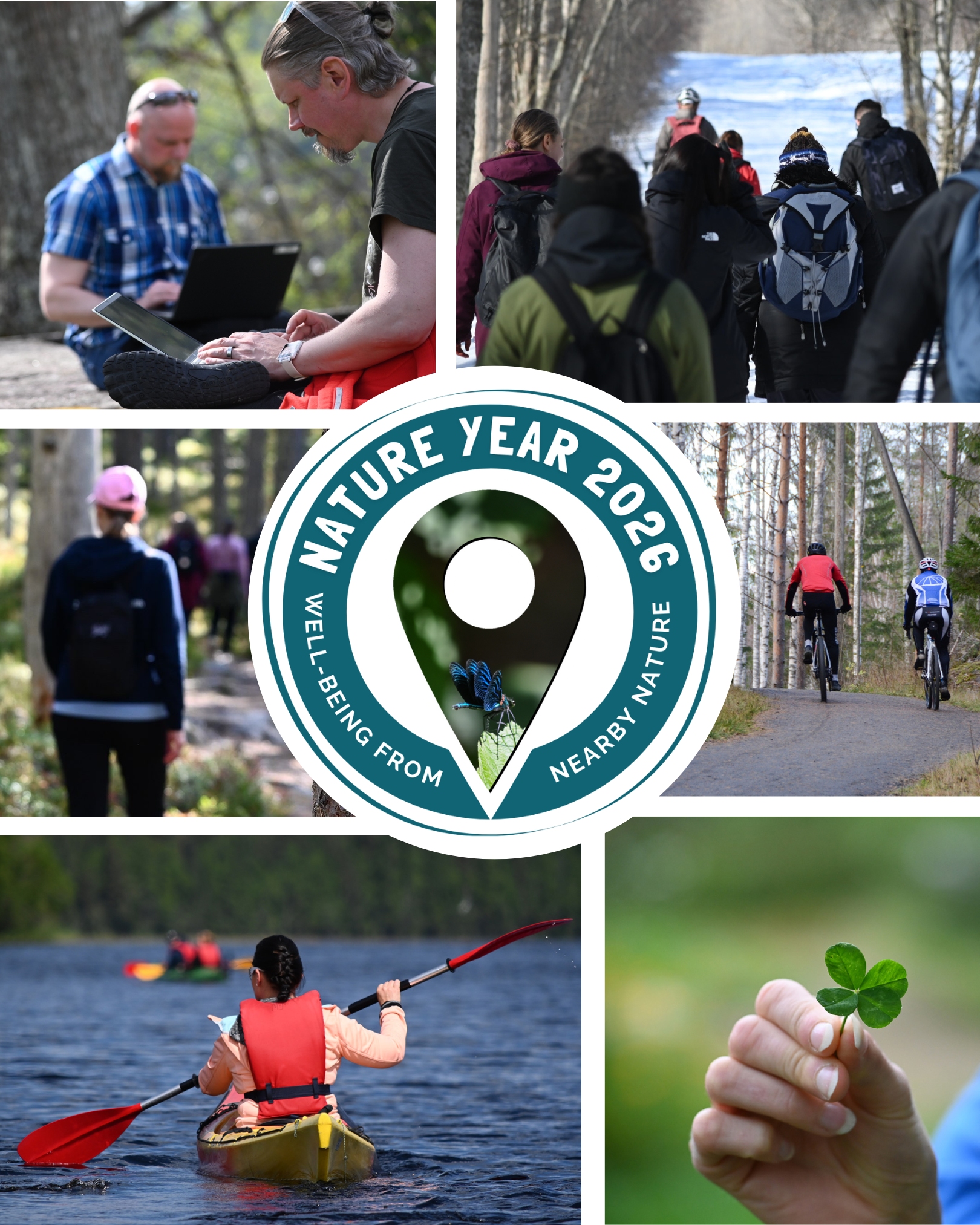
Finland is celebrating the Nature Year 2026. The goal for this year is to increase the amount of time Finns spend in nature, as well as to increase the understanding of the health benefits of nature, and there are plenty! From cardiovascular health to mental health and social well-being. In addition, spending time in nature increases happiness. Just ask us, the Finns, the happiest people in the world.
This is why we invite everyone to celebrate the Finnish Nature Year 2026. The easiest way to do this is to go outside and spend time in nature. The destination can be a local park, a local forest, a nearby lake, river or seaside, a mountain range, a desert or a nearby national park. There are millions of possibilities.
If you wish, you can also follow the Finnish 3–30–300 Nature Recommendation and aim to visit natural environments at least 3 times a week, and for at least 30 minutes each time. You can set a weekly goal of spending 300 minutes in nature. But every contact you make with nature counts, and can add up.
The Nature Year is launched by the Central Finnish network of experts for promoting health and well-being: Meijän polku (Our Path), and its partners.
Welcome to celebrate the Finnish Nature Year 2026 – in nature near you.
If you are eager to participate in the Finnish Nature Year in your own local nature, please send us your logo by email (luontovuosi2026@gmail.com). We are happy to take along nature-positive actors from outside our borders with us, because every step towards nature improves the lives of all of us!
You can download the English version of the Nature Year logo from here.
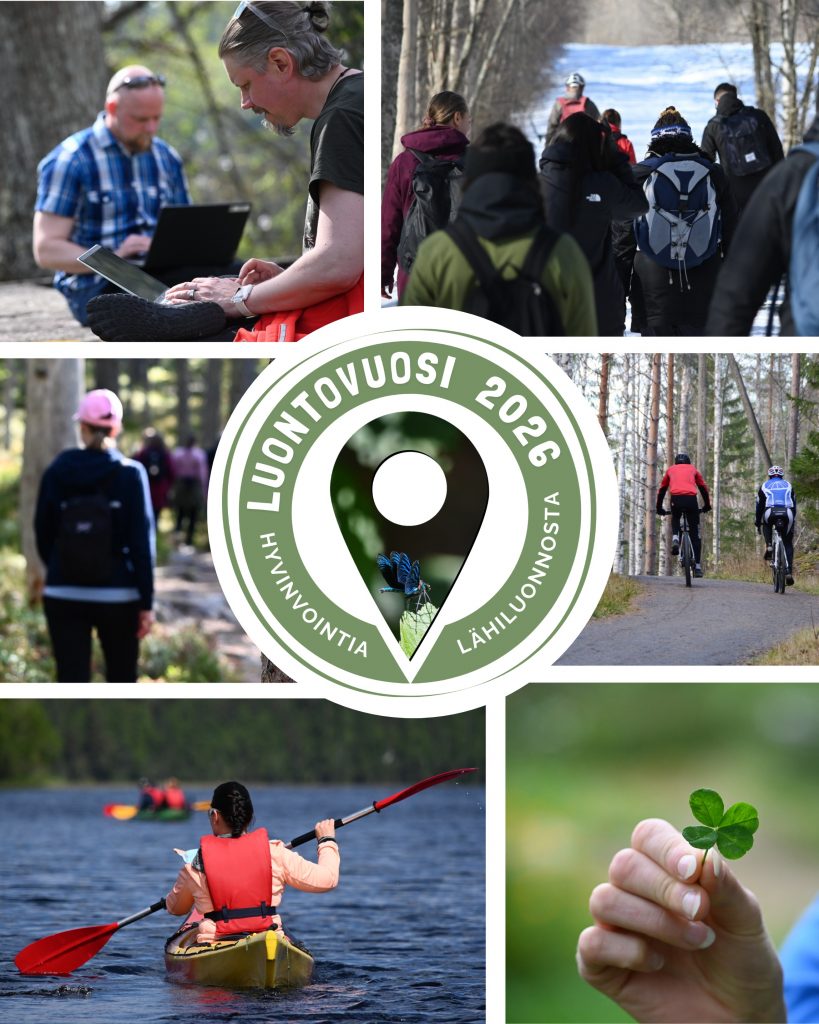
Luontovuosi 2026 kutsuu kaikki suomalaiset lähiluontoon
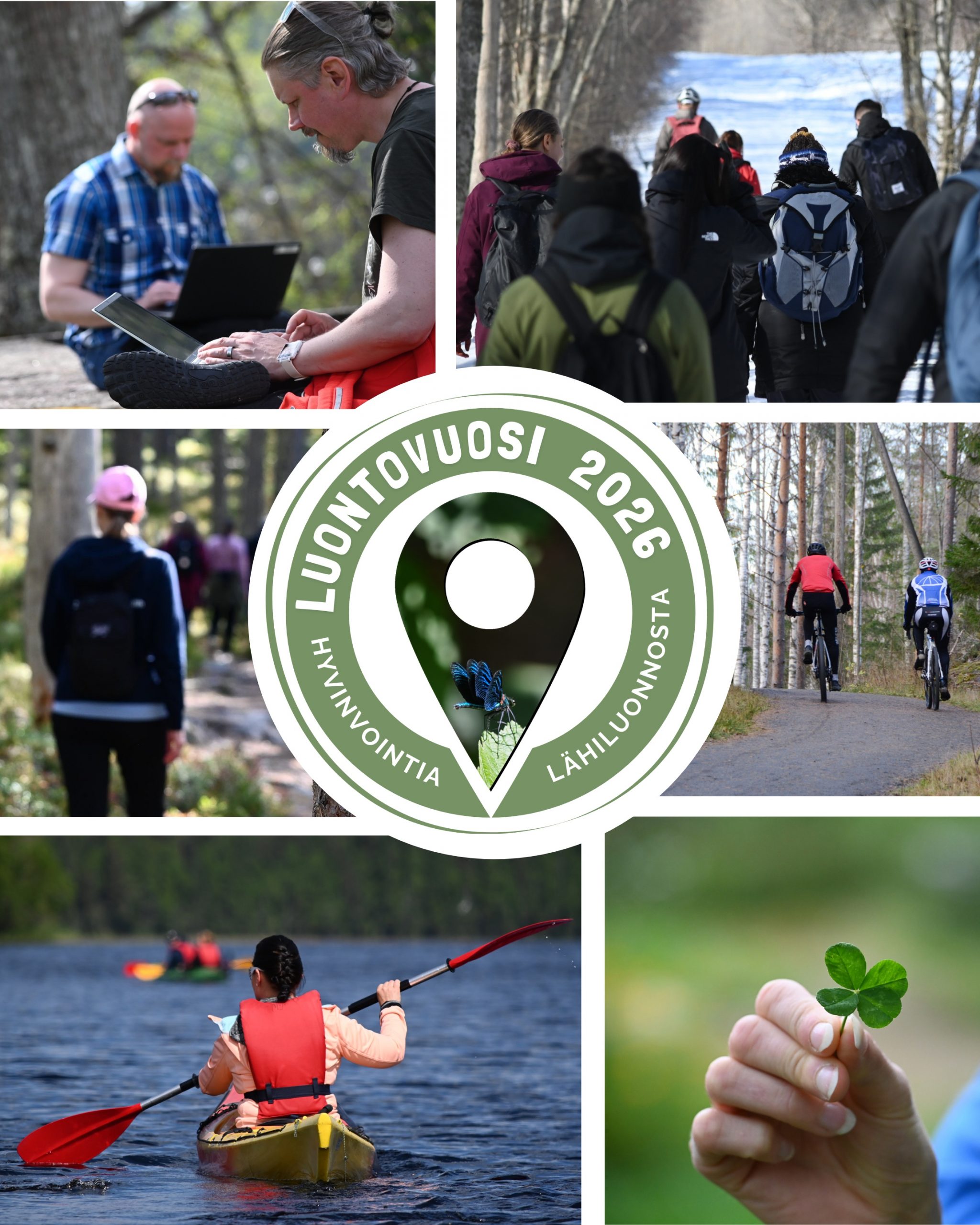
Tammikuussa käynnistyvän luonnossa liikkumisen ja oleskelun juhlavuoden teemana on lähiluonnosta hyvinvointia. Luontovuoden laittaa liikkeelle terveyden ja hyvinvoinnin edistämisen keskisuomalainen asiantuntijaverkosto Meijän polku yhteistyötahoineen.
Miksi mukaan?
Lähiluonnon merkitys meidän suomalaisten liikuttajana ja hyvinvoinnin lähteenä on tunnettu, ja noin 97 % meistä ilmoittaa liikkuvansa luonnossa ainakin toisinaan. Kuitenkin suomalaisten luontosuhde on viime vuosikymmeninä hapertunut, ja kolmannes meistä liikkuu luontoympäristöissä harvemmin kuin kerran viikossa.
Lähiluonto tarjoaa meille kuitenkin paitsi elämisen puitteet, myös ympäristön, jossa lisätä hyvinvointia ja terveyttä sekä kokea rauhaa, elämyksiä, päästä lumoutumaan ja lisätä onnellisuutta. Voitaisiinkin todeta, että suomalainen onni rakentuu luontoympäristöjemme varaan, ja että onni kasvaa näissä ympäristöissä vietetyn ajan kasvaessa.
Suomalaiseen lähiluontoon siirryttäessä tyyli on vapaa, mutta suunta on yhteinen.
Kuinka mukaan?
Yhteistyötahoksi suomalaisten luonnossa oleskelun ja liikkumisen lisäämisen juhlavuoteen voi lähteä toimittamalla yhteisönne logo sähköpostilla osoitteeseen luontovuosi2026@gmail.com lisättäväksi Luontovuoden sivustolle. Sivustolta voi ladata myös Luontovuoden logon oman viestinnän käyttöön vuoden mittaan tapahtuvien tapahtumien ja julkaisujen käyttöön. Itse osallistuminen on sitten kunkin itsensä näköistä. Voitte järjestää luontotapahtumia, luontopositiivista viestintää, monimuotoistaa luontoympäristöjänne, viettää luontotyöpäiviä, osallistua Reitistöviikolle, tai satoihin muihin Suomessa järjestettäviin luontotapahtumiin. Tai sitten vain kutsua naapuri matkaan ja lähteä lähiluontoon liikkumaan.
Luontovuodella on myös oma Instagram-tili @luontovuosi2026, joka jakaa vuoteen liittyviä julkaisuja eteenpäin. Luontovuoden yhteydessä voi käyttää #luontovuosi2026 #lähiluonto #natureyear #finland -tunnisteita. Myös @meijanpolku -tilin voi tägätä mukaan julkaisuihin.
Lisätietoa sekä Luontovuoden logot löytyvät sivuiltamme. Sivut täydentyvät koko Luontovuoden ajan. Samoin Meijän polun blogissa julkaistaan runsaasti Luontovuoteen liittyvää materiaalia vuoden mittaan. https://www.meijanpolku.fi/luontovuosi/
2 x 3–30–300 on hyvinvointia kaupungeille ja niiden asukkaille
Julkaisimme osana 3–30–300 -luontosuositusta uuden visuaalin, jossa yhdistetään suomalaisen luontosuosituksen ja sen mallina toimineen kansainvälisen 3+30+300 -säännön ohjeet samassa kuvassa. Näitä malleja yhdistelemällä voidaan toteuttaa hyvinvointia lisääviä asumisympäristöjä ja innostaa asukkaita oleskelemaan ja liikkumaan luontoympäristöissä entistä aktiivisemmin.
Norjalaisia innostetaan luontoon liikkumaan Ti på topp -kampanjan avulla. Myös matkailijat pääsevät nauttimaan samoista ulkoilukohteista ja -vinkeistä. Kuvat Janne Laitinen.
Miten saada ihmiset liikkumaan enemmän lähiluonnossa? Norjassa yhtenä keinona on paikallisesti toteutettuja Ti på topp -kampanjoita, joiden myötä kymmenet tuhannet ihmiset ovat lisänneet luonnossa liikkumistaan. Vuonna 2024 Ti på topp -sovellukseen kirjattiinkin 377 000 patikointiretkeä. Kampanjan idea on yksinkertainen – rohkaistaan ihmisiä löytämään liikkumisen ilo ja kokemaan lähiluonto yhdessä toisten kanssa. Kävin työmatkalla Bodøssa tutustumassa tähän sovellukseen ja alueen luontoretkeilymahdollisuuksiin.
Monimuotoinen lähiluonto kutsuu liikkumaan ja oppimaan ympäri vuoden
Ti på topp -toimintatapa on selkeä: valitse kohde, lähde liikkeelle ja kerää luontokokemuksia. Kun astut ulos ovesta ja suuntaat luontoon, niin jokainen askel on mahdollisuus nähdä, kokea, oppia ja lisätä hyvinvointia – monimuotoinen lähiluonto houkuttelee kulkijaa pysähtymään, ihailemaan maisemia ja hengittämään syvään. Luonnossa oleskelu innostaa meitä liikkumaan, haastaa havainnoimaan sekä opettaa arvostamaan luonnon aineettomia kulttuuripalveluita.
Kehtokuusi – lahoava kuusenrunko – on oiva kasvualusta muun muassa uusille kuusen taimille.
Lähiluonto ei ole kuitenkaan vain näiden aineettomien ekosysteemipalveluiden tuottaja, vaan myös kulttuurinen voimavara. Se tarjoaa mahdollisuuksia hiljaisuuteen ja rauhaan, jotka tukevat ihmisen hyvinvointia, maisemiin ja tarinoihin, jotka vahvistavat paikallisidentiteettiä, sekä vuodenaikojen vaihteluun, joka tekee jokaisesta retkestä ainutlaatuisen. Kun luonnon monimuotoisuus vahvistuu, nämä luonnon kulttuuripalvelut rikastuvat entisestään. Syksyn monivärinen ruska ja talven hiljainen metsä ja keväiset lintukonsertot ovat elämyksiä, jotka syntyvät luonnon monimuotoisuuden mahdollistamana.
Yhteinen kutsu – liiku, havainnoi, arvosta
Tässä piilee myös keskisuomalaisen lähiLUMO-hankkeen idea luonnon monimuotoisuuden ymmärtämiseksi – luonto itsessään herättää kulkijan uteliaisuuden. Kun kuljemme luonnossa ja havainnoimme kaikessa rauhassa, huomaamme mielenkiintoisia yksityiskohtia, tunnistamme kasveja ja huomaamme esimerkiksi, miten lahopuu toimii monimuotoisen ja -lajisen elämän lähteenä.
Sovellukset voivat auttaa ensimmäisten luontoaskelten ottamisessa, mutta myös tuoda iloa ja ymmärrystä kokeneemmalle liikkujalle.
Ti på topp ja lähiLUMO kutsuvatkin kaikki osallistumaan: lähde liikkeelle, tutustu oman alueesi luontokohteisiin ja opi tunnistamaan oman elinympäristösi lajeja. Suomessa kohdeoppaana toimii Metsähallituksen uudistettu Luontoon -sovellus, ja jokainen voi tutustua myös lajintunnistussovelluksiin. Multialla lähiLUMO-retkellä kokeiltiin SEEK-sovelluksen ja Google Lensin toimivuutta. Paikkatietoon perustuvat SEEK oli selvästi ”viisaampi” lajintunnistuksessa. Kannattaa tutustua myös iNaturalist-sovellukseen.
LähiLUMO-hanke järjestää Keski-Suomen kunnissa yhteisöllisiä luontotapahtumia. Kivijärvellä toteutimme kukkaniityn perustustöitä yhteistyössä kuntalaisten kanssa. Monimuotoisen luonnon edistäminen edistää myös yhteisöllisyyttä. Ja samalla asukkaiden arvostus lähiluontoa kohtaan kasvaa.
Kohden luontopositiivista Keski-Suomea!
Ti på topp, lähiLUMO ja Meijän polku jakavat kaikki saman filosofian – luonto ja luonnossa liikkuminen kuuluu kaikille. Monimuotoinen luonto on elinehtomme ja aktiivinen luonnossa liikkuminen on paras investointi omaan hyvinvointiimme. Yhdistämällä nämä ajatukset voimme luoda polkuja myös luontopositiivisen Keski-Suomeen, jossa luonto yhdistää meitä ihmisiä, tuo iloa ja terveyttä arkeemme ja innostaa meitä liikkumaan!
Janne Laitinen Biologi, LähiLUMO-hanke (Jamk), Meijän polku